
Views: 0 Author: Site Editor Publish Time: 2026-01-15 Origin: Site


On construction sites, ensuring the safety of workers is not just a matter of compliance—it is a priority that can save lives. A Safety Device refers to various tools and mechanisms designed to prevent accidents and injuries before they occur. These devices include systems that provide protection against equipment malfunctions, falls, and other hazards common in the construction industry. By using safety devices, companies can protect their teams, reduce the risk of costly accidents, and ensure compliance with local and international safety standards.
In today’s construction environment, incorporating safety measures is no longer optional but necessary for maintaining high standards of safety. By implementing the right Safety Devices, construction businesses can guarantee a safer environment and increase productivity by preventing costly accidents and delays. Let’s explore the safety devices that can significantly improve worker safety on your construction site.
The construction industry, despite its growth, remains one of the most hazardous sectors. According to the Centers for Disease Control and Prevention (CDC), falls and equipment-related accidents are leading causes of injuries on construction sites. With the heavy use of large machinery and the constant movement of workers at high altitudes or on uneven terrain, it becomes essential to implement safety measures to mitigate these risks.
Safety devices, such as overload sensors, emergency stop systems, and fall arrest systems, not only protect workers but also enhance overall site efficiency. They act as preventive measures, ensuring that accidents are avoided before they can happen, rather than being reactive solutions after an injury has occurred.
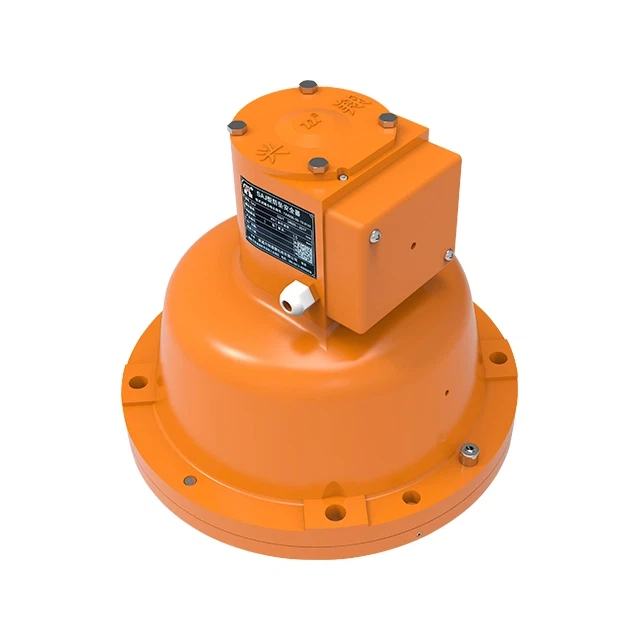
Anti-fall safety devices are crucial when dealing with personnel and materials being moved vertically. In construction hoists, fall arrest systems, such as those found in HAIBAO's Anti-Fall Safety Construction Passenger Hoist Safety Devices (SAJ30, SAJ40, SAJ50), are designed to automatically engage in the event of abnormal speed or loss of control. These devices stop the fall, preventing serious injury.
Typical applications of these anti-fall systems include working at height in high-rise buildings and construction projects, where hoists are often used to move workers and materials between floors. By using this safety technology, HAIBAO ensures that workers are protected even when unexpected mechanical failures occur. These anti-fall safety devices also provide an additional layer of security for both workers and project managers.
Feature | Description |
Automatic Activation | Activates automatically during abnormal speed or loss of control to stop falls. |
Safety Certification | Meets international safety standards, ensuring reliable protection. |
Ease of Installation | Can be easily integrated into various hoists and cranes used in construction. |
Durability | Built to withstand extreme environmental conditions and heavy-duty operations. |
Wide Compatibility | Compatible with various types of hoisting equipment and machinery. |
Overload sensors are essential for protecting both workers and equipment. These sensors are designed to detect when the load being carried by cranes, hoists, or lifts exceeds the safe weight limit, triggering an automatic shutdown or adjustment to prevent strain on the equipment. This prevents damage to machinery, which could lead to downtime, as well as reducing the risk of accidents caused by malfunctioning equipment.
For example, HAIBAO's overload sensors are integrated into their construction machinery to monitor weight limits in real time. The system sends alerts to operators, ensuring that they can act quickly to prevent accidents before they occur. This preventive measure significantly lowers the chances of equipment failure and protects workers from being exposed to unsafe operating conditions.
Practical site scenarios where overload detection is vital include high-rise construction sites where cranes are frequently used to lift heavy materials. Without such safety mechanisms, there would be a higher risk of structural failure, equipment breakdown, and worker injuries. Overload sensors help maintain the integrity of machinery and ensure a safer working environment.
Emergency stop systems are designed to immediately shut down construction machinery in the event of an emergency. These systems are critical for preventing accidents in high-risk environments. By instantly halting the equipment's operation, emergency stop systems help mitigate the risks associated with mechanical failures or human errors.
In powered equipment, such as cranes and construction hoists, emergency stop systems are often the first line of defense when something goes wrong. For instance, if an operator notices an impending collision or sees an unsafe situation developing, they can activate the emergency stop, halting machinery before an accident occurs.
This system’s real-world application can be seen in crane operations, where workers on the ground or in the control cabin can activate the stop mechanism to avoid striking obstacles or other workers. This immediate intervention can prevent significant harm. In addition, emergency stop systems can also protect the machinery itself from being damaged in dangerous situations, contributing to the long-term durability of equipment.
Fall arrest systems consist of various components such as anchor points, harnesses, and lanyards, which are used as a last line of defense when other safety measures fail. When working at great heights, especially on scaffolds, these systems ensure that workers are caught if they fall, reducing the risk of severe injury or death.
In addition to traditional safety measures, HAIBAO’s fall arrest devices offer an additional layer of protection. These systems provide workers with a secure attachment to safety lines, ensuring that, even if they lose their balance or fall, they will be safely arrested without hitting the ground.
Such fall protection devices are crucial in minimizing risks in high-rise construction, especially when other preventive measures, like guardrails or safety nets, may not be applicable. Using reliable fall arrest systems helps ensure that workers are protected, thus maintaining their safety and confidence while working at heights.
In addition to traditional mechanical devices, presence sensing and wearable alert devices have become integral to modern safety strategies on construction sites. These devices, including proximity sensors, detect when a worker is too close to moving machinery and immediately alert both the worker and the equipment operator.
For example, wearable alerts can warn workers if they are in the danger zone of a moving crane or other heavy machinery. Such devices act as intelligent safety devices, beyond the traditional mechanical safety equipment, allowing for faster reaction times and greater protection.
These wearable alert devices provide real-time feedback, helping workers avoid entering hazardous areas where equipment may be operating. As more sites implement these advanced technologies, they not only improve safety but also help in creating a smarter, more efficient work environment.
By combining these examples of safety devices, construction companies can significantly reduce accidents, injuries, and operational downtime. The integration of various safety technologies creates a robust and comprehensive safety strategy, ensuring that multiple layers of protection are in place to safeguard workers.
Furthermore, using such advanced safety systems can help improve the safety culture on a construction site. When workers see that their employer is committed to providing state-of-the-art safety devices, it can lead to increased confidence, greater productivity, and overall job satisfaction.
Moreover, the construction industry as a whole is moving towards integrated safety systems, where multiple devices work in tandem to ensure the utmost protection. Companies like HAIBAO are leading the way by offering machinery that is equipped with multiple safety features to ensure maximum protection for workers.
Safety devices are no longer optional in modern construction; they are integral to maintaining a secure work environment. From overload sensors to fall arrest systems, each device plays a critical role in preventing accidents and protecting workers. HAIBAO’s innovative safety devices, such as the Anti-Fall Safety Construction Passenger Hoist Safety Device and overload sensors, are designed to meet the highest safety standards, helping construction companies stay compliant while protecting their workforce.
At HAIBAO, we are committed to delivering the highest quality safety devices that prioritize the well-being of construction workers worldwide. Whether you are managing a small project or overseeing a large construction site, our products are designed to enhance safety and efficiency.
For more information on how our Safety Devices can improve your construction site’s safety standards, contact us today.
What types of safety devices are required on construction sites?
Essential safety devices include fall arrest systems, overload sensors, emergency stop functions, and wearable alert devices.
How do overload sensors protect construction machinery?
Overload sensors prevent damage by detecting when equipment exceeds safe weight limits, preventing strain and failure.
Why are fall arrest systems important for workers?
Fall arrest systems catch workers if they fall from heights, significantly reducing the risk of injury.
What makes HAIBAO's safety devices different from others?
HAIBAO's safety devices are engineered to meet global safety standards, providing high reliability and comprehensive protection for construction sites.


