
Views: 0 Author: Site Editor Publish Time: 2026-01-19 Origin: Site


When purchasing or renting a Crane Tower, one of the most important considerations is cost. Understanding the factors that influence the price of these machines helps you make an informed decision, whether you're looking to purchase or rent. In this article, we'll break down the cost structure of a Crane Tower, the variables that affect its price, and how understanding these aspects can guide your budgeting and equipment selection for construction projects.
The Crane Tower is one of the most critical pieces of construction equipment, particularly for projects requiring high lifting capacity, precise material handling, and substantial reach. Whether you are working on a large-scale infrastructure project or a more contained construction site, knowing the pricing details and what influences the cost will assist in both budgeting and operational planning.
A Crane Tower is a heavy-duty piece of equipment used to lift and move materials, particularly on large construction sites. These machines are indispensable in the construction of skyscrapers, bridges, and other high-rise buildings. What sets a Crane Tower apart from other cranes is its fixed structure, allowing it to reach considerable heights and transport materials across significant vertical and horizontal distances with precision.
The Crane Tower's ability to extend vertically gives it a clear advantage over other cranes when working on tall structures. Its high lifting capacity makes it ideal for heavy-duty material handling and transportation in a wide range of construction scenarios. Crane Towers are often seen in city center construction projects, where space is limited and height is necessary.
The importance of a Crane Tower cannot be overstated. Without it, high-rise building construction would become a much slower and less efficient process. Its ability to move massive loads of materials quickly, and safely, while maintaining balance and control, is crucial to the success of any large construction project.
The price of a Crane Tower can vary widely depending on factors like the type, size, lifting capacity, and the specific features it comes with. There are several models available, each suited for different kinds of construction jobs, and the price reflects these variations.
Here’s a breakdown of the typical price range for different types of Crane Towers:
Crane Tower Type | Typical Price Range (USD) |
Mini / Self-Erecting | $40,000 – $100,000 |
Standard Flat-Top | $50,000 – $150,000+ |
Large High-Capacity | $300,000 – $1,500,000+ |
For a Crane Tower, prices are often determined by several key factors:
Size: Larger cranes are more expensive, and the height they can reach is directly linked to their price.
Lifting Capacity: The greater the lifting capacity, the higher the price. Cranes with the ability to lift heavy materials across wide areas tend to be priced higher.
Model and Features: Features like automation, anti-collision systems, or remote operation can add to the cost.
Several factors can significantly affect the final price of a Crane Tower. Understanding these factors is critical for determining the cost of your investment.
The size and lifting capacity are the most significant factors influencing the price of a Crane Tower. Larger Crane Towers capable of carrying heavier loads or reaching higher altitudes are priced higher due to the increased material costs and the specialized engineering required for their construction. These towers often have more complex structural designs to ensure stability and durability, which adds to the overall cost.
The brand of the Crane Tower can also play a significant role in its price. Reputable manufacturers like HAIBAO, known for their high-quality construction equipment, typically charge more for their cranes due to their better reliability, support services, and overall performance. Investing in a brand that offers strong customer support, service contracts, and long-term durability may cost more upfront, but it ensures fewer operational issues in the long run.
The choice between buying a new or used Crane Tower will affect your overall costs. New Crane Towers come with warranties and the latest technological features, but they also come with a higher price tag. On the other hand, used Crane Towers are more affordable but may come with higher maintenance costs and reduced operational life. For many companies, purchasing a used crane can be an attractive option for short-term projects, but it may require more frequent repairs.
In addition to the cost of the Crane Tower itself, there are costs associated with its transportation, installation, and assembly on-site. These additional costs should be factored into your overall budget. Large Crane Towers, especially those with high lifting capacities, often require special transport equipment and professional assembly teams. These costs can add several thousand dollars to the total expense, depending on the complexity of the setup.
For construction companies on a tight budget or those working on short-term projects, renting a Crane Tower can be a more cost-effective solution. Renting allows you to access the latest models without committing to the full purchase price. Rental prices vary depending on the duration of use and the crane’s specifications. However, for longer-term projects or frequent use, purchasing a Crane Tower is often a more cost-effective option.
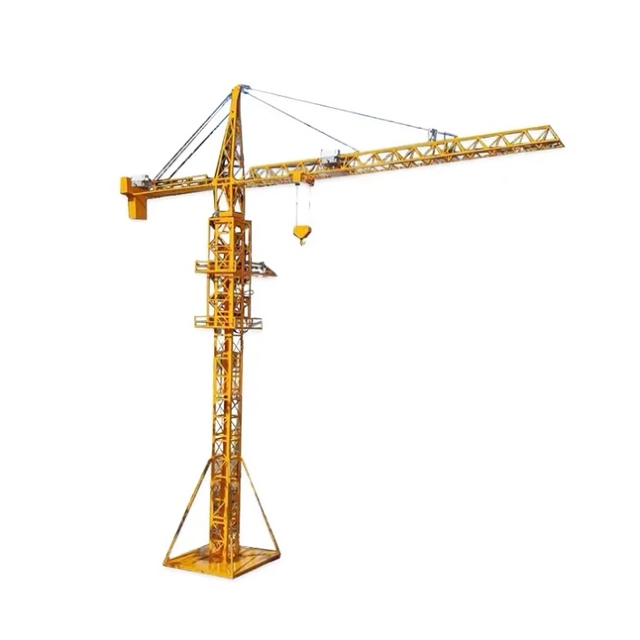
Understanding how a Crane Tower operates on a construction site is vital for assessing its role in the project. Here's a breakdown of the core components and operational workflow:
A Crane Tower is composed of several integral parts, each serving a specific function:
Mast: The vertical structure that provides support and stability.
Slewing Unit: The mechanism that allows the crane to rotate 360 degrees, offering flexibility in material handling.
Jib: The horizontal arm that extends outward and supports the load.
Hoist and Trolley: These components work together to lift the load and move it horizontally across the site.
Operator’s Cabin: The control center where the crane operator manages the movements of the crane.
The operation of a Crane Tower follows a clear, step-by-step process:
Installation: The crane is set up at the construction site. This process includes erecting the mast and attaching the jib.
Load Lifting: The operator lifts heavy materials using the hoist mechanism, raising them to the required height.
Horizontal Movement: The trolley system moves materials horizontally across the construction site, positioning them where they are needed.
Disassembly: Once the project is completed, the crane is dismantled and stored for future use.
This streamlined process ensures that materials are moved quickly and efficiently throughout the construction site.
Safety is a priority when using Crane Towers. These machines are equipped with safety features like:
Overload Protection: Prevents the crane from lifting more than its maximum rated load.
Anti-Collision Systems: These systems help prevent cranes from colliding with nearby objects or other cranes.
Limit Switches: Automatically stop the crane’s movement once it reaches a specific limit, ensuring safe operation.
These safety features are designed to protect workers and ensure smooth, efficient operations.
Investing in a high-quality Crane Tower offers numerous benefits, particularly in improving efficiency and safety on construction sites. Here are some of the most significant advantages:
Increased Efficiency: A reliable Crane Tower can move large quantities of materials quickly, reducing construction time and improving productivity.
Reduced Labor Costs: By automating the lifting and moving of materials, Crane Towers reduce the need for manual labor, saving both time and money.
Improved Safety: With advanced safety features, modern Crane Towers minimize the risk of accidents and enhance the overall safety of the construction site.
When budgeting for a Crane Tower, it’s important to assess the scope and size of your project. For larger, long-term projects, purchasing a Crane Tower may be the most economical option in the long run. For short-term projects, renting can provide flexibility without the large upfront costs. Additionally, don’t forget to account for installation, transportation, and maintenance costs when planning your budget.
In conclusion, understanding the cost of a Crane Tower and the various factors that affect its price will help you make an informed decision for your construction project. By considering the size, lifting capacity, brand, and additional costs like transportation and installation, you can select the right Crane Tower for your needs. Whether you choose to rent or buy, HAIBAO offers high-quality Crane Towers designed to meet your specific construction requirements.
For further assistance, feel free to contact us at HAIBAO, and let us help you find the perfect crane for your project needs.
What factors influence the cost of a Crane Tower?
The cost of a Crane Tower is influenced by its size, lifting capacity, brand, and whether it is new or used. Additional costs like transport, installation, and assembly also play a role.
How do Crane Towers operate on a construction site?
Crane Towers are used for lifting and transporting materials. They operate by raising and lowering loads, moving them horizontally, and providing stability to construction sites.
Should I rent or buy a Crane Tower for my project?
For short-term projects, renting a Crane Tower may be more cost-effective. For long-term projects, purchasing the crane may be more economical in the long run.
What are the safety features of a Crane Tower?
Modern Crane Towers are equipped with safety features like overload protection, anti-collision systems, and limit switches to ensure safe operations.


