
Views: 0 Author: Site Editor Publish Time: 2025-12-22 Origin: Site


Reliable lifting starts with the motor—yet many people overlook this critical choice. A poor Motor for Construction Lifting can risk safety, raise costs, and slow the job. In this post, you’ll learn why three-phase asynchronous motors dominate cranes, hoists, and construction lifts worldwide.
Construction lifting begins at rest, often under full load, and the motor must deliver torque instantly, without hesitation. Three-phase asynchronous motors generate strong electromagnetic induction, so they produce high starting torque without complex auxiliary devices. This allows cranes, hoists, and lifts to raise heavy materials smoothly, even when static friction and cable tension are high. It keeps acceleration controlled, reduces mechanical shock, and protects both the load and structure.
Unlike synchronous motors, asynchronous motors start automatically once power is applied, and they do not require external excitation or precise synchronization. This simplifies control systems, lowers wiring complexity, and reduces the risk of startup failure. On construction sites, where power conditions may fluctuate and operators need fast response, this self-starting nature becomes a key practical advantage.
Construction loads are rarely constant. They swing, shift, and change direction, and they introduce sudden impact forces. Three-phase asynchronous motors maintain stable torque across a wide slip range, so speed remains consistent even when the load changes abruptly. This stability protects gearboxes, brakes, and cables, and it also improves positioning accuracy during lifting and lowering operations.
Asynchronous motors have powered industrial lifting systems for decades. They appear in tower cranes, bridge cranes, freight elevators, and heavy-duty hoists because their structure is rugged and forgiving. There are no brushes, no commutators, and fewer wear-prone parts. As a result, they tolerate dust, vibration, humidity, and long duty cycles better than many alternative motor types.
The internal design of a three-phase asynchronous motor is mechanically simple, mainly a stator with three-phase windings and a squirrel-cage rotor. Fewer components mean fewer failure points, easier inspection, and faster maintenance. For construction operators, this translates into higher equipment utilization, shorter service interruptions, and more predictable maintenance planning.
Roughly eighty percent of industrial motors worldwide belong to the asynchronous category, and a large share of them serve lifting and material-handling tasks. This level of adoption reflects trust built through long-term field performance. Manufacturers, contractors, and equipment designers continue to rely on these motors because spare parts are widely available, service knowledge is mature, and operating behavior is well understood across the industry.
Performance Factor | Practical Benefit in Lifting Equipment |
High starting torque | Smooth heavy-load startup, reduced mechanical shock |
Self-starting design | Simple controls, fast response on job sites |
Wide torque stability | Consistent lifting speed under changing loads |
Rugged construction | Withstands dust, vibration, and harsh environments |
Low maintenance demand | Reduced downtime, lower operating costs |
In real lifting conditions, they deliver power steadily, and they respond well to braking systems, inverters, and overload protection devices. Operators rely on that predictability, engineers rely on that stability, and owners rely on the long service life that follows.
A reliable Motor for Construction Lifting must keep speed steady when the load rises, and it must resist sudden drag or impact. Three-phase asynchronous motors handle this well, they deliver strong electromagnetic torque the moment lifting begins. Even when the load increases sharply, speed drop stays limited, so the hoist does not stall or jerk. Operators feel smoother motion, equipment suffers less stress, and load swing becomes easier to control. It also helps during repeated stop-start cycles, where weak motors often lose speed and stability.
Construction sites demand long operating hours, and many lifting systems run close to full capacity for extended periods. Asynchronous motors support continuous duty operation because their thermal design spreads heat evenly across the stator and rotor. Cooling fans and ventilation paths keep internal temperatures within safe limits, even during long shifts. This allows cranes and lifts to operate across multiple cycles without forced shutdowns, and it helps crews maintain steady workflow, especially on high-rise or large infrastructure projects.
Lifting equipment works in harsh environments, vibration, dust, frequent shocks, and uneven foundations appear daily. The mechanical structure of a three-phase asynchronous motor resists these forces well. Cast housings protect internal components, shafts use high-strength alloys, and bearings handle both radial and axial loads. When a load swings or a trolley brakes suddenly, the motor absorbs impact without internal damage. Over time, this resistance reduces alignment failures, bearing wear, and unexpected breakdowns.
Under heavy load, energy efficiency becomes a direct cost factor. Asynchronous motors convert electrical energy into mechanical power through stable induction, so losses remain controlled during rated operation. When paired with variable frequency drives, they adjust speed smoothly, reduce inrush current, and improve overall efficiency during partial load conditions. This keeps power consumption predictable, even when lift height, payload, and cycle frequency change throughout the day.
Performance Aspect | Practical Impact on Lifting Systems |
Low speed drop under load | Stable lifting speed, less structural stress |
Continuous duty capability | Long work cycles, fewer forced shutdowns |
High mechanical strength | Better resistance to vibration and shock |
Efficient power conversion | Lower operating energy cost under heavy load |
In daily operation, they respond steadily, they tolerate stress well, and they keep energy use under control across changing lifting conditions. For crews, this means predictable lifting behavior, and for managers, it means equipment that performs consistently across demanding construction schedules.
Safety in lifting begins at the motor, because torque behavior defines how the load moves. A three-phase asynchronous motor delivers smooth, predictable torque as speed changes, and it avoids sudden peaks that cause jerking or sway. During startup, it builds force gradually, so the hook rises steadily instead of snapping upward. During lowering, it holds torque consistently, so the load does not surge or drift. For operators, this predictable response improves control, and for the structure, it reduces shock to ropes, drums, and gears.
Modern lifting systems rely on both electromagnetic braking and dynamic braking, and asynchronous motors integrate well with both methods. When paired with electromagnetic brakes, the motor releases and re-engages smoothly, so stopping remains firm but not abrupt. When connected to variable frequency drives, dynamic braking manages deceleration through electrical control, rather than mechanical friction alone. This combination shortens stopping distance, stabilizes the trolley during travel, and limits oscillation during load positioning.
One of the most critical safety features in lifting is automatic power-off braking. When supply voltage drops or disconnects, the electromagnetic brake locks immediately, driven by spring force rather than electrical input. The asynchronous motor supports this logic naturally, because it does not depend on external excitation to maintain stability. In practice, this prevents free-fall during outages, protects workers below, and safeguards the lifted load from sudden collapse. Even during emergency stops, braking remains firm and repeatable.
Construction environments expose equipment to dust, moisture, vibration, and thermal stress. Complex motor designs often suffer under these conditions, because they depend on precise electronics, magnets, or brush assemblies. The three-phase asynchronous motor avoids these weak points. It contains no brushes, no commutator, and no permanent magnets. Its rotor structure stays robust under shock, and its insulation system tolerates frequent thermal cycling. Over time, this lower complexity translates into fewer unpredictable failures and more stable safety performance.
Safety Function | How It Protects Lifting Operations |
Predictable torque output | Prevents jerking, improves load stability |
Electromagnetic brake compatibility | Ensures fast, controlled stopping |
Dynamic braking support | Smooth deceleration under heavy load |
Automatic power-off braking | Stops load drop during outages |
Simple mechanical design | Reduces hidden failure risks |
In real lifting scenarios, they respond smoothly, they stop reliably, and they recover safely after interruptions. Crews depend on this behavior during daily operation, while site managers depend on it during emergencies, power fluctuations, and high-risk lifting tasks where failure is not an option.
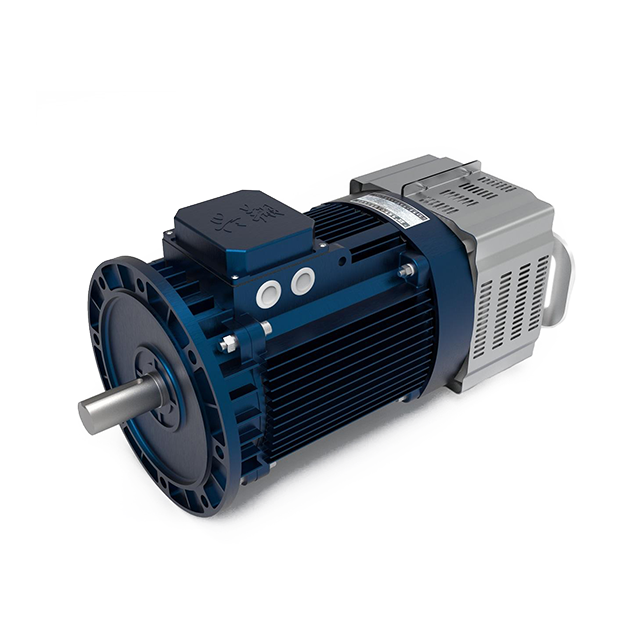
In construction projects, budget control and installation speed matter as much as performance. Asynchronous motors offer a clear advantage here, because their structure stays simple, and their supporting systems remain straightforward. They start without external excitation, so control cabinets stay compact, wiring stays shorter, and commissioning moves faster. Synchronous motors, in contrast, require additional excitation systems, precise tuning, and more protective electronics. These extra layers increase upfront cost, extend installation time, and raise the chance of setup errors on busy job sites.
Load behavior defines safety in lifting operations, and it tests each motor type differently. Asynchronous motors tolerate slip naturally, so when load increases suddenly, they adjust speed gradually instead of losing synchronization. This helps them avoid sudden stalls during heavy starts or shock loading. Synchronous motors run at fixed speed, and once the load exceeds the torque limit, they risk immediate stalling. In lifting systems, where load weight and direction change often, this behavior introduces extra operational risk.
Modern construction lifting depends on variable frequency drives for smooth acceleration, precise positioning, and energy control. Asynchronous motors integrate with these drives easily, and they respond well across wide speed ranges. Operators can fine-tune lifting speed, reduce swing, and soften braking through electronic control. Synchronous motors also accept drive control, yet their speed-lock behavior adds complexity during transitions, especially during frequent starts, stops, and reversals common in cranes and hoists.
Construction sites expose equipment to dust, moisture, vibration, and unstable power supply. Asynchronous motors endure these conditions well, because their rotor contains no magnets, no brushes, and no commutators. Their cast housings shield internal parts, and their insulation systems handle frequent thermal cycling. Synchronous motors rely more heavily on sensitive excitation components, and these components react poorly to vibration, contamination, or voltage fluctuation. Over time, this structural difference shapes real-world reliability on demanding sites.
Project budgets feel pressure from the first purchase, and motor selection plays a clear role here. A three-phase asynchronous motor requires no separate excitation system, no complex synchronization hardware, and no delicate magnetic components. This keeps procurement cost lower, and it simplifies the control cabinet design. For contractors, it means faster sourcing, easier replacement, and fewer specialized parts during installation. It also reduces upfront electrical design work, so early-stage project costs stay under tighter control.
Construction lifting places continuous strain on every mechanical and electrical component. Asynchronous motors handle this strain through simple internal structure, and they avoid wear-prone elements like brushes or commutators. Bearings remain the primary service item, and routine lubrication often supports years of stable operation. Insulation systems tolerate frequent thermal cycles, and cooling fans manage heat across long shifts. Over time, this simplicity stretches service life, and it keeps maintenance schedules predictable rather than reactive.
Every hour of downtime delays progress, and it pushes labor costs higher. Asynchronous motors reduce these interruptions through rugged construction and tolerance to dust, vibration, and uneven loading. When service becomes necessary, technicians face fewer diagnostic steps, because failure points stay limited and well understood. Spare parts remain widely available, and replacement procedures stay straightforward. This shortens repair windows, limits idle crew time, and protects project timelines from costly delays.
Energy use defines long-term operating cost, especially for lifting equipment that runs daily. Asynchronous motors pair smoothly with variable frequency drives, so they adjust speed precisely according to load demand. During partial load operation, current draw drops, and wasted energy falls. Soft starts reduce inrush current, and controlled deceleration limits braking losses. Over months of operation, these efficiency gains translate into measurable savings on electricity bills, especially on large tower cranes and high-capacity hoists.
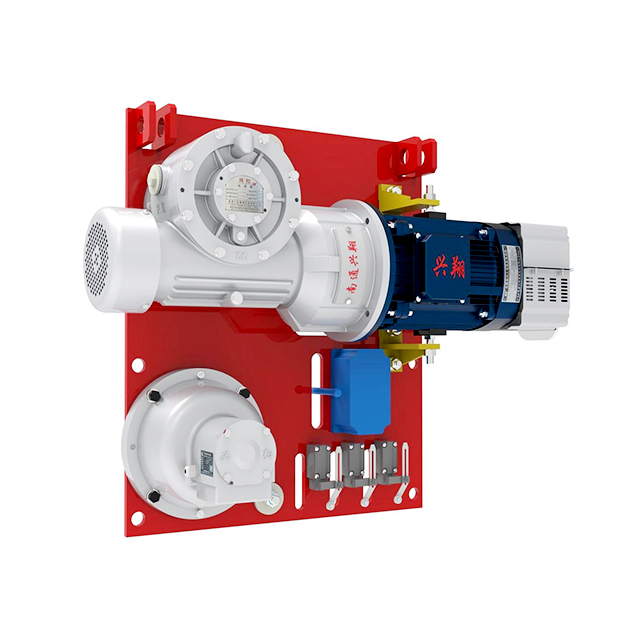
Tower cranes and bridge cranes demand steady torque, rapid response, and long operating cycles. Three-phase asynchronous motors fit these needs well, because they tolerate frequent starts, reversals, and uneven loading. In slewing and hoisting motions, it keeps speed stable, even when wind or load swing adds resistance. For bridge cranes inside factories or yards, they support smooth travel along rails, and they handle continuous daily operation without overheating. Operators rely on their predictable behavior during precise placement, especially when lifting steel beams, concrete sections, or large prefabricated modules.
Material hoists and freight lifts move heavy loads vertically, often in narrow shafts and harsh environments. Asynchronous motors deliver high starting torque, so they lift construction materials from rest without delay. They also pair easily with braking systems, allowing safe holding during loading and unloading. On high-rise projects, these lifts run all day, and the motor must endure dust, vibration, and irregular use. Their simple internal structure helps them perform reliably across these demanding cycles.
Temporary construction elevators transport workers, tools, and materials across multiple floors. Three-phase asynchronous motors provide smooth acceleration and deceleration, so cabin movement feels controlled rather than abrupt. In scissor lifts, where vertical motion combines with platform stability, the motor must respond gradually to joystick commands. It delivers torque steadily, and it integrates well with variable frequency drives for precise speed adjustment. This improves ride comfort, reduces mechanical stress, and supports safer positioning during elevated work.
Heavy-duty winches appear in lifting beams, pulling systems, and tensioning applications. They often face sudden load changes, shock forces, and long duty cycles. Asynchronous motors handle these conditions through stable torque output across slip range. During pulling or dragging operations, it resists stalling, and it maintains steady drum rotation under load. In large load handling systems at ports or infrastructure projects, they coordinate with control systems to manage start, hold, and release functions efficiently.
Three-phase asynchronous motors meet construction lifting needs for safety, torque, durability, adaptability, and cost control. For any Motor for Construction Lifting, they remain the most balanced and proven solution, shaped by decades of jobsite performance. Haibao delivers reliable lifting solutions built on these advantages, providing stable operation, long service life, and strong value for demanding construction and material handling applications.
A: Overload, poor cooling, and imbalance stress the Motor for Construction Lifting and crack blades.
A: Shut power, remove cover, and check the Motor for Construction Lifting blades for chips or bending.
A: Uneven airflow from broken blades destabilizes the Motor for Construction Lifting during operation.
A: Blade cost is low, but Motor for Construction Lifting downtime drives most repair expenses.
A: Clean debris regularly, balance loads, and monitor Motor for Construction Lifting temperature.


