Views: 0 Author: Site Editor Publish Time: 2025-12-15 Origin: Site


Harsh dust, shock loads, and nonstop operation push gearbox reducers to their limits on construction sites. A single failure can stop an entire project and cost thousands in downtime. In this post, you'll learn how preventive maintenance protects your gearbox reducers, lowers repair costs, and helps technicians and managers avoid sudden, job-stopping failures.
Keeping gearbox reducers reliable on construction sites starts with simple, repeatable inspections. Dust, shock loads, heat, and long operating hours wear parts faster than most people expect. A clear checklist helps technicians spot problems early, before failures shut down the job.
Daily visual checks catch the most common problems fast. Look for oil leaks around the input and output shafts, cracks in the housing, or warped mounting areas. Discolored or burnt paint often signals overheating, and it rarely appears without a deeper cause.
Shaft seals deserve close attention. If they harden, tear, or shift, oil escapes and dust enters. Both damage bearings quickly. Burn marks near seals or joints usually indicate excessive friction or poor lubrication flow.
Concrete dust, mud, and debris trap heat against the gearbox surface. They also block airflow and push internal temperatures higher than safe limits. Over time, heat weakens seals, degrades oil, and shortens gear life.
Cleaning intervals should match site conditions. Demolition zones and earthmoving operations need more frequent wash-downs than light material-handling areas. It helps to clean vents, breathers, and cooling fins first, since they control internal pressure and temperature.
Oil protects gears, shafts, and bearings by reducing friction and carrying heat away. The correct oil type and viscosity matter more than many crews realize. Too thick, and oil starves tight clearances. Too thin, and the film breaks under load.
Contamination remains a constant threat. Water, dust, and metal particles degrade oil fast. When oil darkens, smells burnt, or shows foam, they signal breakdown has already started. Refill cycles should follow operating hours, not guesswork.
An infrared temperature gun provides fast, non-contact checks during operation. It shows surface temperature trends from day to day. Sudden spikes often trace back to overloading, low oil levels, or incorrect viscosity.
Abnormal heat rarely stays isolated. Once oil overheats, it loses lubricity. Gears wear faster, seals harden, and bearings fail in sequence.
Noise tells a story long before visual damage appears. Grinding sounds suggest worn gear teeth or failing bearings. Sharp knocking hints at loosened mounts or shaft misalignment.
Vibration analysis strengthens these clues. Rising vibration levels point to misaligned gears, spalling, or internal pitting. It helps separate surface issues from deep mechanical wear.
Cranes, excavators, and winch systems often push reducers beyond their rated torque. Overloading raises internal stress, even when oil and temperature seem normal.
Reducers must match real site loads, not only design assumptions. When actual duty cycles increase, the rating must follow, or failure becomes only a matter of time.
Maintenance Area | What to Check | Risk if Ignored |
Visual Inspection | Leaks, cracks, burnt paint | Rapid oil loss, overheating |
Cleanliness | Dust, mud buildup | Trapped heat, seal damage |
Lubrication | Oil type, viscosity, level | Gear scuffing, bearing wear |
Temperature | Infrared heat readings | Oil breakdown, seizure |
Vibration & Noise | Grinding, knocking | Misalignment, gear pitting |
Load Verification | Torque vs rating | Fatigue failure |
Lubrication protects every moving surface inside gearbox reducers, yet it also causes the most damage when managed poorly. On construction sites, shock loads, dust, temperature swings, and long duty cycles push oil beyond safe limits. When lubrication fails, bearings overheat, gears scuff, and seals harden. Damage escalates fast because friction multiplies once the oil film breaks. Crews often miss early warning signs since reducers may still run, even as internal wear accelerates.
Oil starvation strips protection from gears and bearings within minutes. It happens when levels drop, oil drains through failed seals, or flow paths clog with debris. Once metal contacts metal, surface scoring begins. It spreads across the gear teeth and bearing races at high speed.
Over-lubrication creates a different problem. Excess oil churns inside the housing, increasing internal pressure and heat. Seals distort, leaks appear, and foaming reduces effective lubrication. It also traps heat rather than carrying it away. Both extremes shorten reducer life, even though each looks harmless at first.
Common warning signs include rising temperatures, darkened oil, burned smell, and pressure pushing oil out through breathers. They usually appear before full failure.
Construction sites expose reducers to water spray, cement dust, ground soil, and steel debris. Once contaminants enter the housing, oil loses clarity and stability. Water breaks down additives and weakens the oil film. Dust turns oil into abrasive paste. Metal particles signal active internal wear.
Seals and breathers form the first defense, yet they degrade under vibration and heat. When they loosen or clog, contaminants enter faster than oil can protect surfaces. This accelerates bearing fatigue, gear pitting, and shaft scoring. It also raises operating temperature, creating a cycle of heat, oxidation, and accelerated wear.
High-shock applications stress oil far beyond standard service guidelines. Cranes, excavators, and winch systems impose constant torque spikes, load reversals, and vibration. Oil shears under stress, losing viscosity faster than expected. Waiting for standard change intervals often means running degraded oil far too long.
Service schedules must match real operating severity. Shorter change cycles help remove contaminants, restore viscosity, and stabilize operating temperature. Crews benefit from tracking operating hours, temperature trends, and visible oil condition rather than relying on fixed calendar dates alone.
Failure Source | What Happens Inside | Resulting Damage |
Oil starvation | Direct metal contact | Gear scuffing, bearing seizure |
Over-lubrication | Foaming, pressure buildup | Seal failure, overheating |
Water ingress | Oil oxidation, additive loss | Rust, bearing corrosion |
Dust intrusion | Abrasive oil mixture | Accelerated gear wear |
Metal particles | Active surface breakdown | Gear pitting, shaft scoring |
Tip: These lubrication failures rarely act alone. They combine, amplify heat, raise vibration, and shorten the operating life of gearbox reducers under constant construction loads.
Seals, breathers, and housings form the outer defense of gearbox reducers on construction sites. They block dust, hold oil inside, and control internal pressure. When any of them fails, contamination and heat enter fast. Damage usually starts outside, then moves inward to gears and bearings. Crews often see small leaks or hairline cracks first, they should never ignore those signs.
Shaft seals stop oil from escaping and dirt from entering. They sit under constant rotation, vibration, and temperature change. Over time, they harden, shrink, or lose elasticity. Once they fail, oil begins to seep along the shaft, they often leave dark streaks on the housing.
Early seal damage may look minor, yet oil loss lowers lubrication pressure inside the reducer. Bearings lose protection, friction rises, and heat builds quickly. It also pulls dust and moisture into the housing. Crews should watch for wet shaft ends, sticky dust buildup, and burnt smells near seal locations.
Breathers balance internal pressure as oil expands and contracts during operation. When a breather clogs, pressure builds inside the reducer. It pushes oil past seals, even if the seals remain healthy. Leaks appear, but the root cause sits at the vent.
Construction dust, cement powder, and mud block standard breathers easily. High-contamination sites need filtered or extended breathers. They keep airflow stable while blocking particles and water spray. Regular breather inspection prevents recurring leaks and pressure-related seal failure.
Reducer housings absorb torque reaction, shock loads, and frame vibration. Cracks often form near mounting feet, bolt holes, or sharp casting corners. They start small, sometimes invisible under grime.
High-vibration machines like excavators, crushers, and winch drives stress housings constantly. Once a crack grows, oil escapes and alignment shifts. Gears lose mesh accuracy, bearings carry uneven loads, and wear accelerates across the entire reducer.
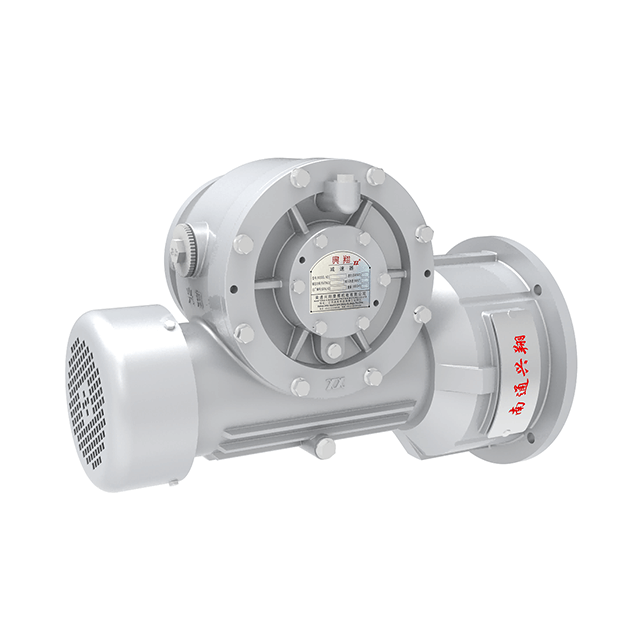
Alignment and installation set the working foundation for gearbox reducers on construction sites. Even high-quality reducers fail early when shafts sit off-center or frames shift under load. These errors rarely cause instant breakdowns. They build stress slowly, raising vibration, heat, and internal wear during every operating hour. Crews often blame lubrication or load first, yet alignment remains the hidden root cause.
Shaft misalignment forces couplings to absorb stress they were never designed to carry. They twist, compress, and flex during every rotation. That motion transfers directly into bearings and gear teeth. Over time, it creates uneven load zones. Bearings overheat on one side, gears wear in irregular patterns.
Couplings may hide the problem for a short time. They mask vibration early, then fail suddenly under shock loads. Once a coupling distorts, axial loads increase. Bearings lose internal clearance, friction rises, and oil temperature climbs without warning.
Reducers rely on flat mounting surfaces to remain stable under torque. When foundations settle or frames bend, the reducer twists. Even small shifts change shaft centerlines.
Mounting bolts also loosen under vibration. It happens slowly at first. Micro-movement starts between the base and frame. They create fretting wear, misalignment, and structural fatigue. Once movement begins, alignment drifts farther under every shock load. Gear mesh degrades even though the reducer appears firmly installed.
Misalignment changes how gear teeth carry load. Instead of full-face contact, they touch along narrow edges. Stress concentrates in small zones. Surface fatigue follows fast.
Spalling develops as tiny material flakes detach from the gear tooth surface. It roughens the mesh, increases noise, and raises vibration levels. Each impact removes more material. The damage accelerates in cycles, driven by load repetition and misalignment angle.
Installation Issue | Mechanical Effect | Resulting Damage |
Shaft misalignment | Uneven bearing loads | Overheating, early bearing failure |
Coupling distortion | Axial force increase | Seal wear, shaft scoring |
Uneven foundation | Frame twist | Gear mesh misalignment |
Loose mounting bolts | Micro-movement | Fretting, housing fatigue |
Edge-loaded gear teeth | Stress concentration | Gear tooth spalling |
Even the best maintenance plans reach a limit. Gearbox reducers work under shock loads, dust, heat, and long duty cycles on construction sites. Over time, damage accumulates beyond surface wear. At that point, crews face a critical decision. They must repair, upgrade, or replace the unit. Each choice affects uptime, cost control, and job schedule reliability.
Some damage cannot be corrected through normal repair. Deep gear tooth cracks, widespread spalling, and heavy shaft scoring signal structural failure. Bearings may seize after metal fatigue spreads through races. Housing cracks near load zones also limit recovery, since alignment stability disappears once casting strength drops.
When oil analysis shows large metal fragments instead of fine particles, internal surfaces already fail at a critical level. Noise rises sharply, vibration spikes, and temperature increases appear together. At this stage, repair restores only short-term function. It cannot rebuild lost material strength.
Upgrading changes more than replacement alone. New high-efficiency gearbox reducers reduce internal friction and improve torque transfer. They lower operating temperature and slow oil degradation. Crews often notice smoother start-up behavior and reduced vibration during load changes.
Modern designs also support higher load density. They allow machines to lift more using the same motor power. Over time, they reduce energy waste and lower thermal stress across seals, gears, and bearings. It also simplifies predictive monitoring because newer units accept digital sensors with minimal retrofit work.
Repair appears cheaper at first glance. It avoids high capital expense and keeps spare parts usage low. However, repair often extends downtime because of disassembly, machining wait times, and repeated testing. If hidden damage remains, secondary failures follow.
Replacement shortens downtime through planned exchange. Crews swap units, align, refill oil, and resume work quickly. It also resets service life and stabilizes maintenance planning. The real comparison depends on downtime cost per hour, machine output value, and failure risk during peak project phases.
Disciplined maintenance reduces failure risks for heavy-duty gearbox reducers. It controls heat, wear, contamination, and alignment stress under harsh site conditions. Gearbox reducers must be managed as critical construction assets. When they fail, productivity drops fast and costs rise without warning. Predictive maintenance lowers long-term costs and stabilizes project schedules. Haibao delivers reliable products and service support, helping crews extend reducer life and protect on-site performance.
A: Gearbox reducers control speed and torque for cranes, excavators, and winch systems.
A: Inspect gearbox reducers daily visually and weekly for lubrication, temperature, and vibration.
A: Dust, shock loads, poor lubrication, and misalignment accelerate wear.
A: High surface temperature, burnt oil smell, and discoloration indicate overheating.
A: Short-term repair costs less, but replacement often lowers long-term downtime costs.