
Views: 0 Author: Site Editor Publish Time: 2025-12-10 Origin: Site


Power moves everything on a construction site—but not all power systems survive extreme loads and nonstop work. Heavy-duty machinery needs more than standard industrial reducers to stay stable and efficient.
In this article, you'll learn how K Series Reducers solve torque, load stability, and continuous operation challenges in modern construction equipment.
Modern construction equipment faces nonstop pressure from heavy loads, harsh weather, and constant vibration. K Series Reducers meet these demands through high torque, stable transmission, and durable mechanical design. They support concrete machinery, lifting systems, and crushing equipment where failure is not an option.
Concrete mixers, hoists, and crushers demand high starting torque every cycle. K Series Reducers amplify motor torque efficiently, helping machines lift, rotate, and crush without hesitation. It prevents motor overload, protects internal components, and keeps production steady even under sudden load changes.
On construction sites, equipment rarely stops. These reducers maintain smooth power flow during long-duty operation, so speed stays stable. It reduces jerking, protects bearings, and helps operators control movement more safely during lifting and conveying.
The combined helical and bevel gear system absorbs impact forces from sudden starts, stops, and uneven material loads. They spread contact stress more evenly across gear teeth. It limits vibration, lowers mechanical shock, and extends overall gearbox life.
Traditional industrial reducers often lose energy through heat and friction. K Series Reducers optimize meshing efficiency through precision gear alignment. It cuts energy waste, lowers power demand, and reduces long-term operating costs in power-hungry construction systems.
Many construction machines offer little room for drivetrain layout. The right-angle design allows flexible installation in tight frames. It makes system layout easier, shortens drive chains, and improves overall equipment balance.
Outdoor construction creates dust, moisture, and constant vibration. Sealed housings protect gears and bearings from contamination. They resist corrosion, maintain lubrication quality, and sustain performance across seasons and terrain changes.
Performance Factor | K Series Reducers | Standard Industrial Reducers |
Torque Capacity | High output under heavy load | Moderate under continuous stress |
Shock Resistance | Helical-bevel gear absorption | Limited shock handling |
Energy Efficiency | Low friction, reduced heat | Higher mechanical losses |
Installation Flexibility | Compact right-angle structure | Larger footprint |
Environmental Resistance | Sealed against dust and moisture | Partial sealing |
Construction equipment runs under heavy load, long hours, and harsh environments. Compared with traditional industrial reducers, K Series Reducers offer clear mechanical and operational advantages. They improve performance where torque, space, energy use, and durability directly affect jobsite efficiency.
K Series Reducers deliver high torque output in a compact body. They generate more working force without increasing installation size. This helps cranes, mixers, and conveyors stay powerful without growing heavier. Traditional industrial reducers often need larger housings to reach similar torque. It increases machine size, limits layout freedom, and complicates maintenance planning on crowded construction sites.
Construction machines run for hours without rest. K Series Reducers transfer power through precision helical-bevel gears. They reduce friction and heat loss during continuous operation. It lowers energy demand from motors and stabilizes output speed during long shifts. Traditional industrial reducers waste more energy through mechanical resistance. Over time, it raises operating costs and strains electrical systems.
Noise control matters on busy job sites. K Series Reducers run smoother because of angled gear engagement. They reduce vibration at startup, during lifting, and under load fluctuations. It protects nearby components, improves operator comfort, and limits structural fatigue in surrounding frames. Traditional reducers often create sharper impact noise during load changes, and it increases long-term wear on mechanical joints.
Jobsite downtime delays projects and increases labor costs. K Series Reducers use sealed housings, reinforced bearings, and stable shaft alignment. They resist dust, moisture, and vibration during outdoor operation. It lowers failure rates and extends service intervals. Traditional industrial reducers suffer faster seal wear, lubricant loss, and bearing damage under similar conditions.
Performance Area | K Series Reducers | Traditional Industrial Reducers |
Torque Output | High torque in compact size | Requires larger unit for similar torque |
Energy Efficiency | Low friction, reduced heat loss | Higher energy loss during operation |
Vibration Control | Smooth gear engagement | Higher mechanical vibration |
Noise Level | Quiet operation under load | замет noisier during load shifts |
Environmental Resistance | Sealed against dust and moisture | Partial protection |
Maintenance Frequency | Longer service intervals | More frequent servicing |
Tip: In modern construction environments, these advantages allow K Series Reducers to outperform traditional industrial reducers in power stability, energy control, and mechanical reliability across heavy-duty operations.
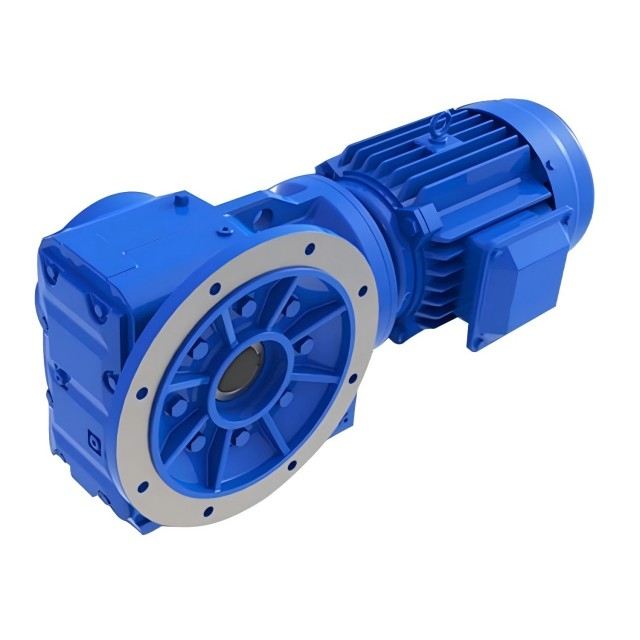
On modern construction sites, power transmission must stay reliable under lifting, mixing, conveying, and drilling tasks. K Series Reducers support these machines by delivering stable torque, smooth control, and long service life. They help operators move heavier loads safely, maintain steady output, and reduce mechanical stress across core construction systems.
Tower cranes and hoists rely on controlled torque to lift massive loads smoothly. K Series Reducers regulate speed shifts during lifting and lowering, so loads remain stable in windy or uneven conditions. It limits swing, protects cables and drums, and improves overall lifting precision. When cranes stop suddenly, they absorb mechanical shock, and they reduce stress on motors and braking systems.
Concrete production demands constant rotation, thick material flow, and long duty cycles. K Series Reducers handle the heavy resistance created by wet concrete and aggregates. They keep drum rotation consistent and pump output stable. It prevents sudden speed drops during batching, and it keeps mixing quality uniform during long pours.
Conveyor belts move sand, gravel, and cement nonstop across job sites. Load weight changes every minute. K Series Reducers adjust torque automatically as material volume rises or falls. They reduce belt slippage during startup, and they stabilize movement during continuous transport. It improves conveying safety and protects rollers and frames from excessive vibration.
Drilling and tunneling equipment face extreme torque spikes when encountering hard soil or rock. K Series Reducers absorb shock loads and maintain steady rotation at low speed. They protect drilling heads from sudden impact, and they extend bearing life under vibration and dust. It helps operators maintain drilling accuracy without mechanical overload.
Equipment Type | Load Characteristics | Role of K Series Reducers |
Tower Cranes | Extreme vertical lifting | Smooth lifting control, shock absorption |
Hoists | Repeated start-stop motion | Stable torque, reduced cable stress |
Concrete Mixers | High rotational resistance | Continuous torque under heavy slurry |
Concrete Pumps | Pulsating material pressure | Stable speed during pressure changes |
Belt Conveyors | Variable material weight | Anti-slip startup, speed stability |
Tunnel Boring Machines | Sudden impact torque | Shock resistance, low-speed control |
Foundation Drills | Deep vibration exposure | Bearing protection, torque balance |
Construction sites expose machines to dust clouds, water spray, shock loads, and nonstop thermal stress. K Series Reducers address these threats through sealed structures, stable gear systems, and reinforced mechanical layouts. They help equipment stay可靠 under weather changes, unpredictable loads, and long operating hours.
Dust and debris move into every crack on a job site. Water follows during rain, washing, and slurry work. K Series Reducers use sealed housings to keep contaminants away from gears and bearings. It protects lubrication quality, reduces internal wear, and prevents corrosion from moisture exposure. They maintain stable performance even when machines operate near concrete slurry, sand piles, and muddy ground.
Construction loads never stay constant. Material drops suddenly into crushers, concrete pumps face pressure spikes, and cranes deal with shifting weight. K Series Reducers absorb these load changes through their helical-bevel gear structure. They spread impact forces across wider contact areas. It reduces tooth stress, limits sudden torque shock, and protects motors from overload during violent load transitions.
Heat builds fast during extended operation. Gear friction, motor output, and constant torque all raise internal temperatures. K Series Reducers control thermal stress through efficient gear meshing and stable lubrication flow. It limits heat buildup during long shifts. They protect seals, prevent oil breakdown, and maintain smooth rotation during extended runtime in hot weather or enclosed equipment compartments.
Heavy radial loads bend shafts during lifting, drilling, and mixing. Misalignment damages bearings fast. K Series Reducers use reinforced shafts and stable bearing layouts to resist deflection. They maintain gear alignment under extreme stress. It keeps rotational balance steady, and it extends bearing service life under vibration and cyclic load.
Selecting the correct K Series Reduccer for construction equipment affects lifting safety, energy use, and long-term reliability. Each job site presents different load patterns, speed demands, and space limits. We evaluate them step by step, so the reducer matches the real working condition, not just catalog numbers.
Static loads stay stable for long periods, such as holding suspended materials on cranes. Dynamic loads change constantly, like crushers, conveyors, and concrete pumps. K Series Reducers handle both, but sizing differs. They need higher safety margins for dynamic shock loads. It protects gears during sudden starts, stops, and material drops. They remain stable when load direction changes rapidly.
Torque determines whether a system lifts smoothly or stalls under pressure. Speed ratio controls how fast output rotates compared to motor input. K Series Reducers offer wide ratio ranges, so they adapt to slow lifting or fast conveying. We match torque demand to machine resistance, mixing thick concrete needs far more torque than moving empty belts. It keeps motors from overheating under strain.
Construction equipment rarely offers clean installation space. Frames stay tight, and shafts often align at right angles. K Series Reducers support horizontal, vertical, and multi-angle mounting. Their right-angle structure shortens power paths. It reduces misalignment risk and simplifies on-site installation, even inside narrow machine housings or compact crane platforms.
Reducers must match motor power, speed class, and flange size. K Series Reducers pair easily with IEC motors and variable-frequency drives. They adapt to electric, hydraulic, and hybrid drive systems. It ensures smooth acceleration, clean speed control, and stable torque under changing input conditions.
Operational cost shapes every construction decision, from equipment choice to long-term project planning. K Series Reducers influence costs through durability, energy control, and reliability during continuous work. They help projects stay on budget when machines run long hours under heavy mechanical stress.
Maintenance begins where wear starts. K Series Reducers use precision helical-bevel gears, stable shafts, and sealed housings. It slows surface wear, reduces lubrication loss, and limits internal contamination. They extend service intervals across cranes, mixers, and conveyors. Fewer seal failures, fewer bearing swaps, fewer emergency repairs during peak production. That keeps labor costs lower and spare-part demand predictable.
Energy use grows fast during long shifts. K Series Reducers reduce friction through efficient gear meshing. It cuts mechanical resistance during startup and steady load. Motors draw less power under the same working load. Compared with conventional industrial reducers, they generate less heat, so cooling demand drops. Over months of operation, these small efficiency gains reduce total electricity spending across the fleet.
Downtime disrupts material supply, delays lifting plans, and strains crew schedules. K Series Reducers lower downtime risk using stable bearing layouts and reinforced housings. They tolerate dust, vibration, and uneven loading without early failure. It prevents sudden shutdowns during lifting, pumping, or crushing. Fewer breakdowns protect daily production targets and keep subcontractor timelines under control.
Large projects run multiple machines at once. Savings multiply across sites. K Series Reducers reduce replacement frequency, stabilize energy spending, and limit maintenance labor. It improves return on investment across batching plants, tunnel systems, and crane fleets. They cost more upfront than basic reducers, yet they recover that cost through lower operating expenses across years of service.
Cost Factor | K Series Reducers | Conventional Industrial Reducers |
Maintenance Frequency | Longer service intervals | Frequent servicing required |
Energy Efficiency | Lower friction, lower power draw | Higher heat and energy loss |
Failure Risk | Low under heavy load | Higher under vibration |
Downtime Exposure | Reduced interruptions | More unplanned shutdowns |
Long-Term ROI | Stable and predictable | Higher cumulative cost |
K Series Reducers are becoming core power units in heavy-duty construction because they deliver stable torque in extreme conditions. Their efficiency cuts energy waste, and their durability reduces downtime across cranes, mixers, and conveyors. Compared with traditional industrial reducers, upgrading to K Series designs brings long-term cost control and reliable performance. With Haibao, users gain dependable products and professional service that add real value to demanding construction projects.
A: K Series Reducers are industrial Reducers that deliver high torque and stable power for construction machinery.
A: K Series Reducers improve lifting stability, reduce vibration, and increase efficiency under continuous heavy loads.
A: They offer higher torque density, better energy efficiency, and longer service life in harsh environments.
A: Cranes, concrete mixers, belt conveyors, and drilling equipment often rely on K Series Reducers.
A: Yes, K Series Reducers lower maintenance, cut energy use, and reduce unplanned downtime.
A: Their sealed housing protects internal gears from dust, debris, and water exposure.


