Views: 0 Author: Site Editor Publish Time: 2026-01-15 Origin: Site


When it comes to construction projects, efficient and safe vertical transportation is essential. This is where construction hoists and lifts come into play. While both are designed to move materials and personnel, they serve different purposes. In this article, you'll learn how to choose between a construction hoist and a lift based on your project's specific needs.
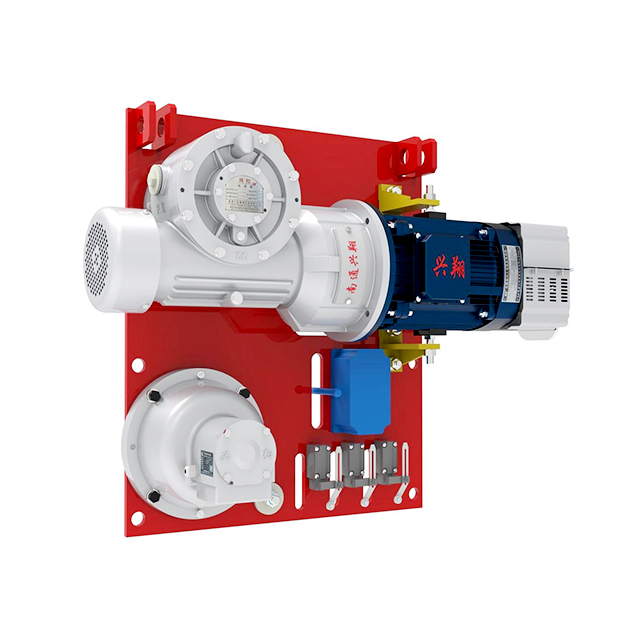
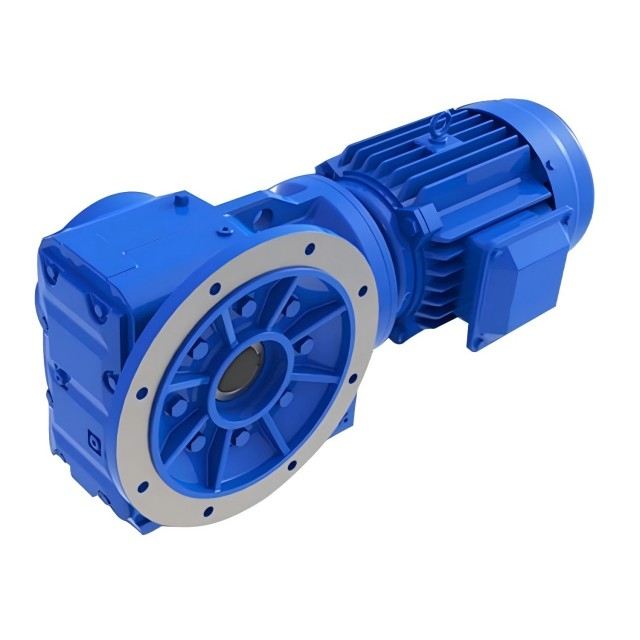
Construction hoists typically use pulley systems powered manually, electrically, hydraulically, or pneumatically. The load is lifted vertically through a series of pulleys and ropes or chains. These systems are ideal for quick and efficient material handling across multiple floors.
In contrast, construction lifts feature aerial platforms mounted on a vehicle or structure. They use hydraulic pressure or electrical systems for movement and can extend horizontally and vertically, offering flexibility for various construction tasks. Lifts are often used for accessing hard-to-reach areas that hoists may not be able to reach effectively.
Hoists generally offer much higher load capacities compared to lifts. They can handle heavy materials such as steel beams, concrete blocks, and large machinery, making them essential in high-rise construction where large volumes of materials need to be moved quickly and safely between floors.
Lifts, on the other hand, are designed for lighter loads and are more suitable for transporting workers and smaller equipment. While lifts can move materials, their primary function is to provide safe access for personnel, especially for maintenance, inspection, or installation work in elevated areas.
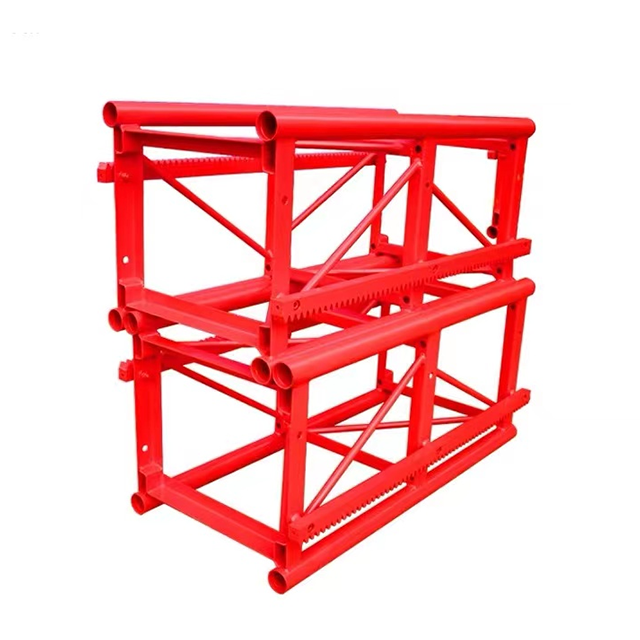
Construction hoists are typically fixed in place and installed with the help of cranes, often mounted on the exterior of a building. They can be dismantled and moved from one site to another, making them ideal for projects that require equipment relocation as construction progresses.
Lifts are more mobile and can be moved around the construction site as needed. While they may not have the same lifting capacity as hoists, they are versatile for various tasks that require both vertical and horizontal movement. Lifts are ideal for accessing specific, localized work areas.
Construction hoists come in two main types: material hoists and personnel hoists. Material hoists are used to transport construction tools, supplies, and heavy equipment between floors. Personnel hoists, on the other hand, are designed to carry workers safely, often using enclosed cabins to prevent free-fall and ensure security during transport.
These hoists are especially useful in high-rise construction projects, where rapid movement of large volumes of materials is necessary to keep the construction timeline on track.
Hoists can greatly enhance the speed and efficiency of moving heavy materials between floors. They provide a consistent and reliable way to lift construction materials, reducing the time spent manually transporting them, which can be both costly and hazardous.
For high-rise buildings, hoists ensure that materials are quickly delivered to various floors, maintaining workflow efficiency. This leads to better project timelines and improved safety standards.
When using construction hoists, safety is paramount. Hoists are often equipped with safety features such as anti-freefall systems, emergency stops, and overload sensors. These features prevent accidents and ensure the safe transport of materials and personnel. It’s also crucial to regularly maintain and inspect hoists to ensure their functionality and safety during operation.
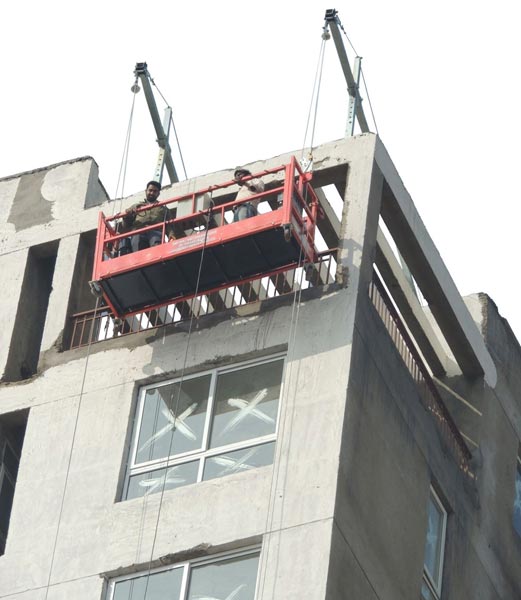
Construction lifts come in various types, including aerial lifts, scissor lifts, and boom lifts. Aerial lifts are used to elevate workers to specific heights, while scissor lifts provide a stable platform for tasks that require both height and maneuverability. Boom lifts, with their extendable arms, are ideal for reaching difficult-to-access areas.
Each type of lift is suited for different tasks. For instance, scissor lifts are perfect for tasks such as installing light fixtures or painting, while boom lifts are great for reaching over obstacles in complex work environments.
The main advantage of construction lifts is their versatility. They offer both vertical and horizontal movement, allowing workers to access hard-to-reach areas or delicate spaces. Lifts are ideal for tasks such as installing facades, window treatments, or performing maintenance work at elevated levels.
In addition to their versatility, lifts offer the benefit of providing a stable working platform, making them safe for personnel and reducing the risk of accidents or falls.
Safety mechanisms for lifts include secure platforms, safety rails, emergency stops, and tilt sensors. These features are designed to prevent accidents and protect workers while they are elevated. Lifts also typically feature user-friendly controls to help operators safely manage height adjustments and maneuver the platform.
Choosing between a hoist and a lift largely depends on the scope of your construction project. For projects involving high-rise buildings or large infrastructure, hoists are more effective due to their higher load capacities and ability to move materials quickly between floors.
Lifts, however, are ideal for tasks that require both vertical and horizontal access, such as installing windows or working on building facades. They are also more suitable for tasks that need frequent repositioning, such as inspection and maintenance.
Hoists excel at transporting large, heavy materials over long distances and high elevations, making them the best choice for high-rise construction projects. Lifts, on the other hand, are better suited for tasks involving lighter loads and less frequent vertical movement.
The weight and volume of the materials to be moved will be a deciding factor in determining whether to use a hoist or a lift. For lighter materials and tasks that require flexible access, lifts are more appropriate.
While hoists may require a higher initial investment, they provide long-term value by improving operational efficiency and reducing the need for manual labor. They are ideal for large projects with extensive vertical transportation needs.
Lifts are more affordable and are a good choice for short-term projects or those that require temporary access. However, they may not provide the same level of efficiency for large-scale projects as hoists.
Hoists are critical in high-rise construction as they streamline the vertical transport of bulky materials, reducing manual labor and accelerating building timelines. By enabling continuous material flow between floors, hoists mitigate delays caused by material handling. The robust construction of hoists ensures safety and efficiency, which is essential when handling heavy loads like concrete blocks and steel beams. They also support compliance with safety standards and reduce risks associated with manual lifting on high-rise sites.
Lifts offer unparalleled versatility for tasks that require precise, controlled movement in tight or elevated spaces. In maintenance and finishing projects, lifts provide quick access to hard-to-reach areas, such as ceilings or building facades. The ability to adjust both height and reach allows workers to carry out tasks like window installation, painting, or lighting installation with precision. Their mobility makes them ideal for renovation projects, ensuring minimal disruption to ongoing construction work and enhancing overall project efficiency.
Beyond construction, hoists and lifts play a crucial role in other sectors such as warehousing, event setup, and bridge construction. Hoists are particularly effective in warehouses where they move bulk items, minimizing manual handling and improving efficiency. In bridge construction, hoists are used to lift heavy components like steel cables or beams, ensuring structural integrity. Lifts, conversely, are commonly used for maintenance tasks in industrial settings, offering workers safe access to machinery and elevated systems, improving productivity and reducing downtime.

Understanding the pros and cons of construction hoists and construction lifts is crucial for selecting the right equipment for your project. Below is a detailed comparison of the advantages and disadvantages of each, helping you make an informed decision based on the specific needs of your construction site.
| Category | Construction Hoists | Construction Lifts |
|---|---|---|
| Application | Ideal for large-scale, high-rise construction projects, especially heavy material handling. | Suited for tasks requiring access to specific work areas, especially for detailed installations and maintenance. |
| Load Capacity | High load capacity, capable of lifting heavy materials like steel beams and concrete. | Lower capacity, best for transporting lighter materials and personnel. |
| Speed | Fast material movement, suitable for repetitive tasks across multiple floors. | Slower, designed for more flexible movement with personnel and smaller loads. |
| Vertical & Horizontal Movement | Can only move vertically, requires fixed installation, cannot move horizontally. | Capable of both vertical and horizontal movement, adaptable for various tasks. |
| Installation Requirements | Requires crane assistance for installation, fixed setup, more complex and time-consuming. | Easy to install, mobile, and relocatable, ideal for quick tasks. |
| Flexibility | Less flexible, fixed to one location, cannot be repositioned. | Highly flexible, can be repositioned for different tasks on-site. |
| Safety | Equipped with anti-freefall systems, emergency stops, and safety cages for secure material and personnel transport. | Includes built-in safety features like tilt sensors, emergency stops, and secure platforms for personnel transport. |
| Space Requirements | Requires significant space for installation, especially on high-rise buildings. | More compact, ideal for working in tight spaces. |
| Maintenance | Requires regular inspections, especially for heavy-duty hoists, ensuring long-term reliability. | Easier maintenance due to simpler designs and fewer parts. |
| Cost | Higher initial cost, but more cost-effective for long-term, large-scale projects. | Lower initial cost, but less efficient for long-term heavy lifting. |
| Advantages | - Efficient heavy material transport across multiple floors.- Higher load capacity, ideal for high-rise construction projects.- Enhanced safety with robust safety mechanisms. | - High flexibility and mobility, allowing access to specific areas.- Easier to install, relocate, and adjust for various tasks.- Safe for transporting personnel and smaller loads in confined spaces. |
| Disadvantages | - Limited reach; fixed in place and cannot move horizontally.- Requires significant installation space and more time to set up.- Higher maintenance costs due to heavy-duty components. | - Lower load capacity compared to hoists; not ideal for high-rise construction with heavy materials.- Slower speed, making it less efficient for large-scale material transport.- Not as effective for large projects that require high-volume, repetitive material handling. |
Tip: For projects involving heavy material transport and high-rise construction, a construction hoist is the most efficient and safe choice. For smaller, more flexible tasks, a construction lift offers mobility and ease of use.
Choosing between a construction hoist and a construction lift largely depends on your project's unique requirements. Hoists are ideal for high-rise construction, providing fast and efficient transportation of heavy materials across multiple floors. On the other hand, lifts are perfect for tasks that require flexibility and access to hard-to-reach areas. Nantong Haibao Construction Machinery Co., Ltd. offers high-quality construction hoists and lifts that are designed to enhance project efficiency and safety, ensuring you choose the best equipment for your needs. Their products deliver exceptional performance and long-term value, whether for large-scale construction or specialized tasks.
A: A construction hoist is a vertical transportation system used to move heavy materials or personnel between different floors on a construction site. It’s commonly used in high-rise construction for efficient material handling.
A: A construction hoist is designed for heavy material transport, typically with higher load capacities. A construction lift, however, is used for lighter tasks and personnel access, offering more flexibility in movement.
A: A construction hoist is ideal for projects involving heavy materials or large volumes. It ensures fast, safe, and efficient transportation, especially in high-rise construction where time and efficiency are crucial.
A: Construction hoists offer higher load capacities, faster material movement, and greater efficiency for large-scale projects. They are essential in moving heavy equipment and materials between floors.
A: Yes, construction hoists can be equipped to safely transport workers using personnel hoists, with enclosed cabins and safety features to prevent accidents during transit.
A: The cost of a construction hoist depends on factors such as load capacity, height, and features. Hoists typically have a higher upfront cost, but their efficiency and reliability make them a good investment for large projects.