
Views: 0 Author: Site Editor Publish Time: 2026-01-16 Origin: Site


Construction sites are dynamic environments where safety is of paramount importance. As the industry faces numerous risks—ranging from falling objects to equipment malfunctions—Safety Devices have become indispensable in ensuring the well-being of workers. These devices come in various types, each designed to address specific risks on construction sites. Understanding the different types of safety devices available is crucial for site managers, as it enables them to select the right solutions to mitigate hazards effectively.
The safety of workers should always be a top priority, and with the right Safety Devices, construction companies can significantly reduce the risk of accidents, minimize injury, and avoid costly downtime. These devices not only help ensure compliance with industry regulations but also foster a culture of safety across the site. This article will guide you through the different types of safety devices used on construction sites, highlighting how each plays a pivotal role in protecting workers and machinery. At HAIBAO, we are committed to providing cutting-edge Safety Devices that improve site safety and ensure compliance with industry regulations.
A Safety Device in the construction industry refers to any engineered system designed to prevent or mitigate hazards, thereby ensuring the safety of workers, machinery, and the overall site environment. These devices fall into two primary categories: active and passive.
Active Safety Devices: These devices require direct action to work. They actively monitor conditions or alert workers to potential dangers. Examples include emergency stop systems and proximity sensors that actively detect hazards and prevent accidents before they happen.
Passive Safety Devices: These devices do not require any direct intervention. They provide protection by creating barriers or by safely containing workers in the event of an accident. Examples include guardrails, safety nets, and fall arrest systems.
Both active and passive safety devices are vital in creating a comprehensive safety strategy. While active devices offer real-time intervention, passive devices provide essential protection even when no active response is possible.
Fall Protection Devices are specifically designed to prevent or mitigate the risk of falls, which are one of the leading causes of accidents on construction sites. These devices range from personal fall arrest systems to safety nets and guardrails, all of which help protect workers who are working at height.
Personal Fall Arrest Systems: These systems consist of a harness, lanyard, and anchor point. They are typically used by workers who are working at heights or in positions where a fall could result in injury.
Guardrails: Guardrails are installed along edges where workers might be exposed to a fall risk. They serve as a passive form of protection.
Safety Nets: Positioned beneath workers working at heights, safety nets catch workers if they fall, reducing the impact of the fall.
By integrating fall protection devices into construction practices, companies can significantly reduce fall-related injuries. These devices can be used together to create a multi-layered approach to fall prevention, reducing the chances of injury or fatality.
Feature | Description |
Personal Fall Arrest Systems | Includes a harness, lanyard, and anchor point to secure workers working at height. |
Guardrails | Passive protection system designed to prevent workers from falling off elevated surfaces. |
Safety Nets | Catch workers who fall, minimizing injury by reducing the fall impact. |
High Durability | Designed to withstand harsh environmental conditions and heavy-duty use. |
Easy Installation | Quick and easy setup, ensuring minimal disruption to ongoing construction work. |
In construction hoists, anti-fall devices such as those found in HAIBAO’s SAJ series (SAJ30, SAJ40, SAJ50) prevent free falls by automatically engaging when abnormal speed or control loss is detected. These devices are integral to ensuring the safety of workers and materials being moved vertically on construction sites.
Anti-fall devices are vital for hoisting equipment, particularly when moving heavy loads or workers between different floors of high-rise buildings. By stopping falls immediately, these devices help protect both equipment and personnel from catastrophic failure or injury. These devices fit within the broader category of safety devices by providing essential protection during critical operations.
The SAJ anti-fall safety devices can be installed in a variety of hoists and lifting equipment. These devices ensure that even in the case of a malfunction or system failure, workers and materials remain safe. Additionally, their automatic activation ensures they respond instantly to prevent accidents, which is crucial for minimizing the risk of serious injuries or fatalities.
Overload Sensors and Load Monitoring Devices are critical in managing the safe operation of cranes, hoists, and other heavy machinery. These devices help monitor the weight being lifted to ensure that it does not exceed the rated capacity of the equipment.
When an overload is detected, the system will alert the operator or automatically shut down the machinery to prevent strain. This classification of safety devices is essential in preventing equipment damage and ensuring that loads are handled safely.
Why is it important to classify these devices separately from protective gear? Overload sensors protect the machinery itself, while protective gear protects the workers. By incorporating overload sensors, companies can reduce both operational risks and the risk of machinery breakdowns, ensuring the equipment's longevity and operational efficiency.
Feature | Description |
Real-Time Monitoring | Continuously checks the load weight in real time, alerting operators of any risk of overload. |
Automatic Shutdown | The system will automatically stop the machinery if the load exceeds safe limits. |
Prevention of Damage | Prevents damage to machinery and reduces the risk of accidents caused by overloading. |
Versatility | Suitable for use in various hoisting and lifting equipment, including cranes and hoists. |
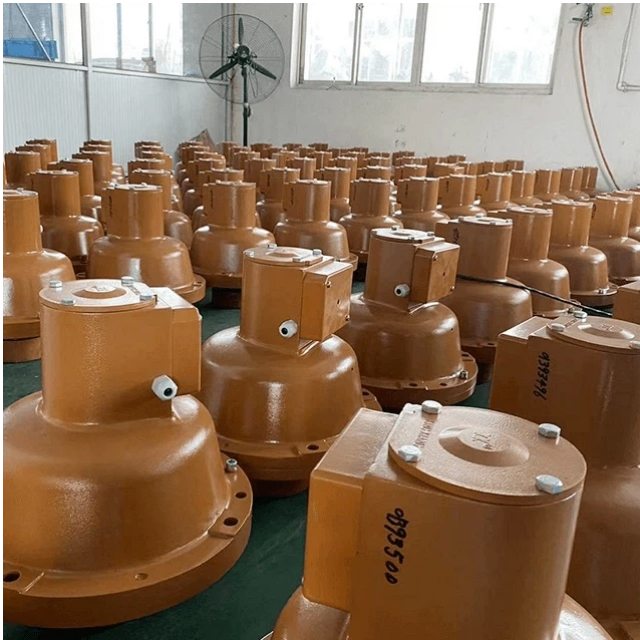
Emergency Stop Systems are designed to immediately shut down construction machinery in the event of an emergency. These devices are critical for preventing accidents in high-risk environments. By instantly halting the equipment's operation, emergency stop systems help mitigate the risks associated with mechanical failures or human errors.
In powered equipment, such as cranes and construction hoists, emergency stop systems are often the first line of defense when something goes wrong. For instance, if an operator notices an impending collision or sees an unsafe situation developing, they can activate the emergency stop, halting machinery before an accident occurs.
This system’s real-world application can be seen in crane operations, where workers on the ground or in the control cabin can activate the stop mechanism to avoid striking obstacles or other workers. This immediate intervention can prevent significant harm. In addition, emergency stop systems can also protect the machinery itself from being damaged in dangerous situations, contributing to the long-term durability of equipment.
Presence Sensing Devices, Proximity Alerts, and Wearable Hazard Detection Technology are becoming increasingly popular on modern construction sites. These devices detect when a worker is in danger, such as too close to moving equipment or in a hazardous zone.
For example, smart sensors can detect when a worker is entering the range of moving equipment and send out an alert to both the worker and the operator. These devices are considered intelligent safety devices because they leverage technology to anticipate hazards before they happen, making them an essential part of modern construction safety.
These devices allow for real-time risk detection and help ensure that workers are not in the immediate danger zone of heavy equipment. By using these advanced devices, construction sites can maintain high levels of safety and prevent accidents before they happen.
Structural safety devices, such as lifelines, guardrails, and containment barriers, are installed to prevent workers from entering dangerous areas or to catch them if they fall. These devices are considered passive protections because they do not require active involvement from workers.
Lifelines: Lifelines are systems that workers can attach to while working at height. These lines provide a secure point of attachment and are used alongside personal fall arrest systems.
Guardrails: Guardrails prevent falls from edges or open areas, providing protection without the need for worker intervention.
Containment Barriers: These barriers are designed to prevent workers from entering hazardous zones on a construction site.
By adding these devices, sites can ensure that high-risk zones are safely contained, preventing accidents and injuries.
To achieve the best coverage, construction companies must integrate multiple Safety Device types into their safety strategy. Layering active and passive devices ensures that workers are protected in a variety of scenarios, from preventing falls to mitigating equipment failures. Combining emergency stop systems, fall protection devices, and proximity sensors creates a comprehensive system that reduces risks and enhances site safety.
Furthermore, modern safety management systems are designed to integrate these various devices into a unified strategy. This ensures that devices can work together to provide real-time monitoring and automatic intervention if necessary, improving overall safety on the job site.
Understanding the different Safety Devices used on construction sites and selecting the right ones is crucial for ensuring worker protection and minimizing risks. From fall protection devices to overload sensors, each device plays a vital role in preventing accidents and improving site safety. HAIBAO offers a wide range of Safety Devices designed to meet the highest standards and ensure the safety of workers across the globe.
By integrating these Safety Devices into your construction practices, you can significantly reduce the risk of accidents and ensure that your team operates in a secure environment. HAIBAO is dedicated to providing innovative solutions that protect both workers and equipment.
For more information on how our Safety Devices can improve your construction site’s safety standards, contact us today.
What are the types of safety devices used in construction?
The types include fall protection devices, overload sensors, emergency stop systems, proximity sensors, and structural safety devices.
How do fall protection devices work?
Fall protection devices, such as harnesses and guardrails, prevent workers from falling from heights by providing secure attachment points and barriers.
Why are overload sensors necessary for construction machinery?
Overload sensors prevent damage by detecting when equipment exceeds safe weight limits, preventing strain and failure.
How do emergency stop systems enhance safety?
Emergency stop systems instantly halt equipment operation in the event of an emergency, preventing accidents and minimizing risk to workers.


