
Views: 0 Author: Site Editor Publish Time: 2025-12-11 Origin: Site


Energy waste in heavy-duty machines often goes unnoticed, yet it quietly drains profits and resources. Low-quality gears hide serious power losses inside construction equipment. In this article, you'll learn how high-quality gears improve reducer efficiency and cut energy use in Reducers for Construction.
Construction equipment consumes massive amounts of energy every day. Excavators, cranes, conveyors, mixers, and drilling rigs all rely on reducers to control torque and speed. When reducer efficiency is high, more power reaches the load. When it is low, energy turns into heat, vibration, and wasted fuel. That waste quietly increases operating costs and carbon emissions, even when machines appear to run normally.
Energy costs in construction are not limited to engines or electric motors alone. They spread across fuel consumption, electricity usage, cooling systems, and unplanned maintenance. Reducers sit in the middle of that energy chain. If they waste power, everything downstream becomes more expensive. Operators often focus on fuel prices, yet overlook mechanical losses inside the drivetrain. Over months of continuous duty, even small inefficiencies translate into large financial losses.
Energy Stage | Main Consumer | Efficiency Impact | Cost Effect |
Power Input | Motor / Engine | Electrical or fuel conversion losses | Rising fuel or electricity bills |
Transmission | Reducer & Gears | Friction, heat, misalignment | Hidden energy waste |
Output Load | Hydraulic system, winch, conveyor | Reduced usable torque | Lower productivity |
When reducers run efficiently, they protect every other energy stage. When they do not, they amplify cost across the entire system.
Power transmission losses mainly come from friction between gear teeth, bearings, and seals. Low-quality gears use rough surfaces, weaker materials, and looser tolerances. They rub instead of roll smoothly. That friction turns useful power into heat. It forces motors to work harder to deliver the same output, and they draw more current or burn more fuel.
In electric construction equipment, higher current means higher electricity demand. In diesel-driven systems, it means higher fuel injection to compensate for torque loss. Operators may not notice the cause, yet they feel the effect in daily operating costs. Cooling systems also work harder because excess heat must be removed continuously. They consume even more energy, forming a costly feedback loop.
Low-efficiency reducers create risks beyond energy waste. Heat accelerates oil degradation. Seals harden faster. Bearings wear unevenly. Over time, vibration increases and power delivery becomes unstable. They may still run, but they no longer run safely.
In construction environments, sudden breakdowns carry heavy consequences. Cranes stop lifting. Conveyors freeze. Concrete mixers stall mid-cycle. Downtime costs far more than the reducer itself. Safety also becomes a concern. Overheated gear units can trigger lubrication failure, raising the chance of seizure or structural damage under load.
For Reducers for Construction, efficiency is not only an energy issue. It is a reliability issue. It shapes how long machines stay productive, how often they need repair, and how safely they operate under stress.
High-quality gears sit at the center of reducer efficiency. They control how power moves, how much energy stays useful, and how much disappears as heat. When gears perform well, machines run smoother, motors work less, and fuel or electricity demand drops naturally. When they perform poorly, losses spread through the entire drivetrain. We depend on gear design, materials, manufacturing accuracy, lubrication, and thermal control to keep energy flowing where it belongs.
Gear teeth shape decides how gears touch and move. Poor geometry causes sliding instead of rolling. That sliding creates friction, noise, and heat. High-quality gears use optimized tooth profiles, they spread contact evenly across the surface. It lowers pressure points and keeps motion smooth. We see less vibration, less resistance, and better power transfer.
Materials shape how long gears stay efficient. Soft steel wears fast. Worn teeth lose accuracy and increase drag. High-grade alloy steels resist deformation under heavy loads. Heat treatment hardens the surface while keeping the core tough. Surface finishing removes tiny rough spots. They seem small, yet they reduce micro-friction at every contact point. Energy flows cleaner, losses drop quietly.
Manufacturing accuracy decides if gears work as designed. Loose tolerances allow misalignment. Misalignment creates uneven forces and energy loss. Precision machining keeps gears centered and balanced. They engage cleanly and stay stable at speed. We gain smoother transmission, lower noise, and consistent torque delivery under real construction loads.
Lubrication protects surfaces and lowers friction. Poor oil breaks down fast under heat. Contamination speeds wear. High-efficiency reducers use stable lubricants and strong sealing systems. They keep oil clean and temperature steady. It reduces drag on rotating parts and prevents energy loss from internal resistance. We also see fewer leaks and longer service intervals.
Gear type shapes efficiency more than many expect. Worm gears rely on sliding contact. Helical and bevel gears rely on rolling contact. Rolling contact wastes less energy. Worm gears offer compact size and self-locking features, yet they sacrifice efficiency. Helical and bevel gears deliver higher efficiency and run cooler during long duty cycles.
Mechanical efficiency shows how much input power becomes output torque. Thermal efficiency reflects how well the system controls heat. They influence each other every second. Poor mechanical efficiency creates heat. Poor thermal control traps it. High-quality gears improve both sides. They reduce friction and allow heat to escape safely. We keep performance stable instead of watching it drift during long operation.
Every wasted watt becomes heat. Heat forces cooling systems to work harder. Fans, pumps, and oil circulation draw extra power. This secondary waste often goes unnoticed. High-quality gears lower heat at the source. They cut the chain reaction. We see cooler reducers, lower oil temperatures, and reduced cooling demand across the machine.
Construction machines demand steady torque, long duty cycles, and predictable power delivery. Reducer choice shapes all three. High-efficiency reducers focus on rolling contact, precise alignment, and stable lubrication. Traditional gear reducers often rely on sliding contact and looser tolerances. They still work, yet they waste more energy during every rotation. Over time, those losses grow into measurable fuel and electricity costs. We feel it in operating budgets, and they feel it in component stress.
Helical and bevel gears transfer power through rolling motion. It keeps friction low and force distribution smooth. Worm gears rely mostly on sliding contact. Sliding creates resistance, resistance creates heat. It drains energy fast. In real construction loads, this design difference shapes daily performance. We see cooler surfaces, lower vibration, and steadier torque from helical-bevel reducers. Worm reducers run hotter, and they need tighter thermal control to stay stable.
Reducer Type | Typical Efficiency | Contact Style | Heat Level | Energy Behavior |
Worm Gear | 60%–85% | Sliding | High | Fast energy loss |
Helical Gear | 94%–98% | Rolling | Low | Stable power flow |
Bevel Gear | 93%–97% | Rolling | Low | Efficient torque |
Short test runs rarely show the full picture. Long shifts expose real consumption patterns. Machines running ten or more hours each day amplify every percent of efficiency difference. A few lost watts per minute turn into large fuel or electrical demand across months. We see motors drawing more current to overcome internal drag. Cooling fans run longer. Oil circulation pumps work harder. High-efficiency reducers reduce all of those secondary loads. They keep systems closer to thermal balance instead of chasing heat.
Low-efficiency reducers age faster. Heat breaks down oil. Seals harden early. Bearings wear unevenly. We face leaks, noise, and unstable torque delivery long before expected service limits. Downtime rises, and repair schedules move forward. High-efficiency reducers slow this entire chain. Lower friction preserves oil quality. Stable temperatures protect seals. Contact surfaces stay aligned longer. It keeps machines available more often, and it lowers the chance of sudden stoppage under load.
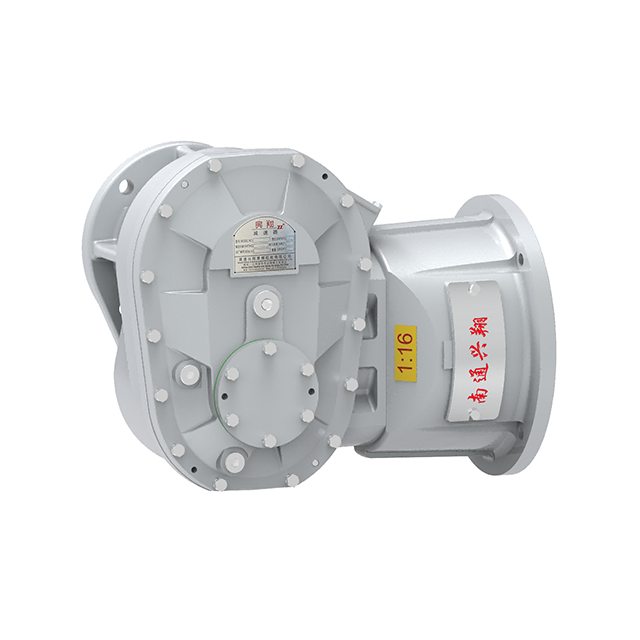
Efficiency claims sound impressive on paper, yet buyers need clear metrics to judge real performance. For Reducers for Construction, these numbers decide how much energy reaches the load and how much disappears as waste. We look at mechanical efficiency, thermal behavior, and how well the reducer matches real working loads. Together, they shape daily fuel use, electrical demand, and long-term machine stability.
Mechanical efficiency shows how much input power becomes usable output torque. High-quality reducers often reach 95%–98% under proper load. Lower values signal extra friction inside gears, bearings, and seals. That friction turns into heat and forces motors to work harder. Buyers should not rely on peak numbers alone. They should check rated efficiency under continuous duty. It reflects how the reducer performs during real construction shifts, not short lab tests.
Efficiency Range | Energy Behavior | Typical Result |
Below 90% | Heavy internal losses | High heat, rising power demand |
90%–94% | Moderate losses | Acceptable, yet not optimal |
95%–98% | Low internal losses | Stable output, lower energy use |
Thermal stability shows how well a reducer controls heat during operation. Even efficient gears create heat under load. The difference lies in how fast it escapes. Poor heat dissipation traps energy inside the housing. Oil temperature rises, viscosity drops, wear accelerates. High-quality reducers use optimized housings, surface area design, and oil flow paths. They spread heat evenly and release it faster. We see steadier oil temperature, quieter operation, and fewer thermal spikes during long shifts.
Efficiency drops when reducers run outside their optimal load range. Oversized units waste energy at light loads. Undersized ones suffer overload, stress, and rapid losses. Gear ratio selection controls how torque multiplies and how fast shafts rotate. Service factor adds safety for shock loads and long duty cycles. Buyers should match all three carefully. When load, ratio, and service factor align, reducers stay efficient instead of drifting into constant energy waste.
Energy costs do not come from electricity alone. They accumulate through motor load, heat generation, lubrication demand, and unplanned maintenance. High-quality gears influence every one of these factors across the full reducer lifecycle. They reduce resistance at the source, they stabilize operating temperatures, and they slow down mechanical wear. We see the impact month after month, not only during the first installation.
When gears transmit power smoothly, motors face less internal resistance. It allows them to produce the same output torque using less current or fuel. High-quality gear teeth roll instead of slide, they cut friction at every contact point. That reduction lowers motor load during startup and steady operation. We see smaller current spikes, calmer thermal behavior, and lower daily electricity demand. Over long shifts, those small savings grow into visible energy cost reductions.
Gear Quality Level | Motor Load Trend | Electricity Demand | Heat Generation |
Low Quality | High, unstable | Rising | Heavy |
Medium Quality | Moderate | Balanced | Controlled |
High Quality | Low, stable | Reduced | Minimal |
Wear consumes energy long before parts fail. Rough surfaces scrape oil films, they increase drag and heat. High-quality gears use hardened materials and refined surface finishes. They preserve lubricant integrity for longer periods. Oil stays clean, viscosity remains stable, and sealing systems suffer less stress. We gain longer lubrication cycles, fewer oil changes, and less waste from degraded fluid. Maintenance labor drops quietly, yet the cost difference becomes clear over years of service.
Energy-efficient reducers change cost structures beyond utility bills. Lower motor demand cuts electricity expenses. Slower wear reduces spare part purchases. Fewer breakdowns protect production schedules. We also avoid the hidden loss of idle equipment during repairs. For construction operations running continuous duty cycles, the return on investment builds steadily. It comes from daily energy savings, reduced maintenance hours, and longer component life working together instead of separately.
High-quality gears are now essential for energy-efficient construction systems. Gear quality directly shapes reducer efficiency and daily operating cost. Better gears mean less heat, lower friction, and steadier power delivery.
Investing in high-performance Reducers for Construction brings real energy savings, longer service life, and lower total ownership cost. Haibao supports this value through reliable products and professional service that help equipment run longer and use less energy.
A: Reducers for Construction control speed and boost torque while cutting energy loss.
A: They reduce friction, heat, and power waste inside Reducers for Construction.
A: They pass more motor power to the load instead of losing it as heat.
A: They cost more upfront but save energy, repairs, and downtime long term.
A: Poor lubrication, misalignment, overload, and worn gear surfaces.


