Views: 0 Author: Site Editor Publish Time: 2026-02-12 Origin: Site


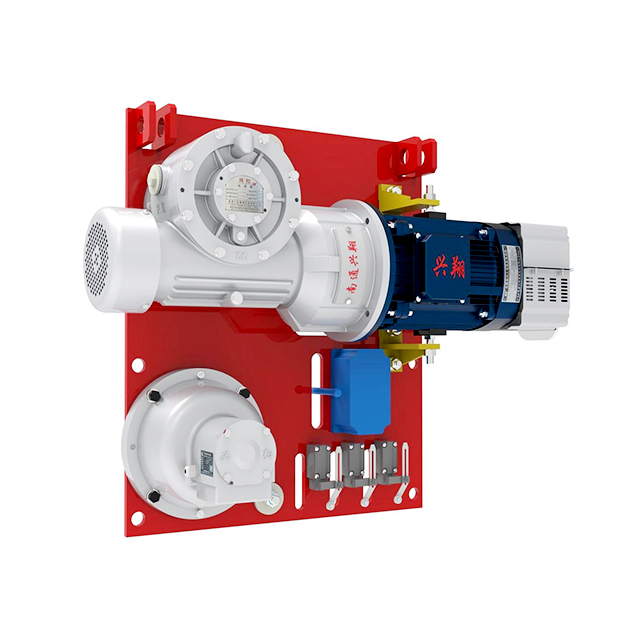
You see an asynchronous motor working every day. This electric motor uses electromagnetic forces. It changes mechanical energy into movement. You can find this motor in many machines and tools for building. Nantong Haibao Construction Machinery Co., Ltd. is a top company. They make strong motors for building and industry.
You rely on the strength and good performance of an asynchronous motor. It helps building projects stay safe and run well.
Asynchronous motors are also called induction motors. They change electrical energy into movement. This makes them important for machines used in building things.
The rotor in an asynchronous motor turns slower than the magnetic field. This is called 'slip.' Slip helps make torque and keeps the motor running smoothly.
These motors start by themselves. They work right away when you turn them on. This makes them easy to use in many places.
Induction motors last a long time. They do not need much care. This saves money when used for a long time in tough places.
Induction motors are reliable and safe. They have some limits with speed control. You need extra equipment like variable frequency drives to change their speed.
You can find an induction motor in many places. This motor uses induction to make things move. When you turn on the power, the stator makes a magnetic field. The rotor is inside the stator. Induction causes the rotor to spin. This motor is called asynchronous because the rotor spins slower than the magnetic field. Many people also call it an induction motor. You use this motor when you need steady power. Construction workers use it to lift and move heavy things. The asynchronous ac motor works well in hard places. It gives strong power and lasts a long time.
Tip: You can find an induction motor in cranes, hoists, and many building tools.
You may ask how an induction motor is not like a synchronous motor. The main difference is how induction works. In a synchronous motor, the rotor spins as fast as the magnetic field. In an induction motor, the rotor always spins slower than the magnetic field. This speed difference is called "slip." Slip helps the induction motor make torque and move things. Induction motors are easier to use and fix. Synchronous motors need extra parts to keep the rotor spinning with the field. You pick an induction motor if you want it simple and strong.
Motor Type | Rotor Speed vs. Magnetic Field | Uses Induction | Common in Construction |
|---|---|---|---|
Induction Motor | Slower | Yes | Yes |
Synchronous Motor | Same | No | Sometimes |
You can see that induction motors work for most building jobs. They are safe, steady, and need less fixing.
Image Source: pexels
You can understand the working principle of an induction motor by looking at how electricity and magnetism work together. When you switch on the electric motor, electricity flows into the stator. The stator is the outside part of the motor. It creates a spinning magnetic field. This field moves around the rotor, which sits inside the stator.
The working principle of the induction motor depends on induction. Induction means that a changing magnetic field can make electricity flow in a nearby wire. You do not need to connect the rotor to any power source. The spinning magnetic field from the stator cuts through the rotor. This action causes induction. The rotor gets its own electric current because of this induction. The current in the rotor makes its own magnetic field. These two magnetic fields push against each other. This force makes the rotor turn. You see this working principle in every induction motor.
You can call this process self-starting. The induction motor does not need any help to begin spinning. You just turn on the power, and the working principle of induction takes over. The motor starts by itself. This self-starting feature makes the induction motor perfect for construction machinery. You do not need to use extra devices to start the motor. You save time and keep your machines simple.
Note: The self-starting action of the induction motor helps you lift heavy loads safely on construction sites.
You may wonder why the rotor in an induction motor does not spin as fast as the magnetic field. The answer lies in the working principle called slip. Slip is the difference between the speed of the magnetic field and the speed of the rotor. You always see slip in an asynchronous motor.
Slip is important for the working principle of the induction motor. If the rotor moved at the same speed as the magnetic field, there would be no induction. No induction means no current in the rotor. The motor would stop working. Slip keeps the induction going. The rotor always stays a little slower than the magnetic field. This difference lets the working principle of induction create the force needed to turn the rotor.
You can see the effect of slip in construction machinery. When you use a hoist or a crane, the induction motor starts moving the load. The slip lets the motor create strong torque. Torque is the force that turns the rotor. The self-starting nature of the induction motor means you do not need to push or pull anything to get it going. The working principle of slip and induction works together to keep your machines running smoothly.
Here is a simple table to help you see how slip works in the induction motor:
Part | Moves at Speed of | Why It Matters |
|---|---|---|
Magnetic Field | Power Frequency | Creates induction |
Rotor | Slower | Needs slip for self-starting |
You can trust the working principle of the induction motor to give you reliable power. The self-starting feature and the role of slip make the induction motor a top choice for construction equipment. You get safe, steady, and strong performance every time.
Tip: Always check the slip when you use an induction motor in your machines. Proper slip means your motor works at its best.
You find two main parts inside every induction motor. These are the stator and the rotor. The stator stays still. It forms the outer shell of the motor. You see coils of wire inside the stator. When you turn on the electric motor, the stator creates a spinning magnetic field. This field is the heart of the induction process.
The rotor sits inside the stator. It turns when the magnetic field from the stator passes through it. Most induction motors use a squirrel cage design for the rotor. You see metal bars arranged like a wheel inside the rotor. This squirrel cage design helps the rotor spin smoothly and last a long time. You use a squirrel cage induction motor in many machines because it is strong and simple.
You can find a single phase induction motor in small tools and home appliances. In construction, you often use a three-phase induction motor for bigger jobs. Both types use the same basic stator and rotor setup.
Tip: The stator and rotor work together to turn electrical energy into movement. You rely on this teamwork in every induction motor.
You also find other important induction motor components. These parts help the motor run safely and efficiently. The bearings support the rotor and let it spin with little friction. The end bells hold the bearings in place. You see a fan at the end of the motor. This fan cools the motor during operation.
Some motors have a capacitor. You find this part in a single phase induction motor. The capacitor helps the motor start and run better. The terminal box is where you connect the wires to the motor. You use this box to control the power going into the induction motor.
Here is a simple table to help you remember the main induction motor components:
Part | What It Does |
|---|---|
Stator | Makes the spinning magnetic field |
Rotor | Turns and creates movement |
Bearings | Support the rotor |
End Bells | Hold the bearings |
Fan | Cools the motor |
Capacitor | Helps single phase induction motor |
Terminal Box | Connects power to the motor |
You see that every part has a job. When you use a single phase induction motor, you get reliable power for many tasks. You can trust the design of the induction motor to keep your machines running strong.
You pick a three phase induction motor when you need strong power. This motor starts by itself. You do not need extra tools to make it go. When you turn on the over, the induction process starts right away. The stator makes a spinning magnetic field. The rotor follows this field and begins to turn. Every three phase induction motor can start on its own.
You can change the speed of the ac induction motor. You do this by changing the power supply frequency. A variable frequency drive helps you set the speed you want. This lets you match the speed to your work. The three phase induction motor gives you smooth speed changes. You do not have to worry about quick stops or starts. The induction motor keeps things moving at a steady pace.
Tip: Speed control helps you lift things safely and lower them slowly. This keeps your machines and workers safe.
You see the three phase induction motor in many building machines. Nantong Haibao Construction Machinery Co., Ltd. makes motors for hoists, cranes, and other tools. You trust these machines to move heavy things. The ac induction motor works well every day.
You find the three phase induction motor in tower cranes. It helps lift steel beams and concrete blocks. You use the induction motor in construction hoists to carry people and tools. The ac induction motor works even in tough places. You get strong turning force and steady speed. You do not have to worry about the motor breaking down. The induction motor keeps your project going.
Here is a table that shows where you use the three phase induction motor:
Equipment | How It Uses the Motor |
|---|---|
Tower Crane | Lifts heavy loads |
Construction Hoist | Moves workers and materials |
Winch | Pulls and lifts objects |
You count on the ac induction motor for safety and good work. The induction process makes the motor strong and trustworthy. The three phase induction motor is the main part of your building machines.
You see the induction motor in many factories and building sites. This motor gives steady power to machines and tools. You can count on the induction motor because it starts on its own and does not need much fixing. You save both time and money when you use this motor. The way the induction motor is built makes it strong and safe. You do not have to worry about sparks or unsafe parts.
You find the induction motor in cranes, hoists, and pumps. It works well even in rough places. You can use it for many hours without trouble. The induction motor uses induction to change electricity into movement. This process helps your machines work smoothly.
Here are some good things about using the induction motor:
Lasts a long time and is very tough
Simple design and easy to fix
Safe to use in hard places
Costs little to keep working
Tip: You can trust the induction motor to help your building projects go well.
You may see some problems when you use the induction motor. This motor cannot change speed easily unless you use special tools. You need a variable frequency drive to change how fast it goes. The induction motor also does not work as well when it is not carrying a heavy load. Sometimes, you hear noise from the motor when it is running.
Here is a table that shows some common problems:
Drawback | What You Experience |
|---|---|
Fixed speed | Hard to change without extra tools |
Lower efficiency | Uses more energy with small loads |
Noise | Can be loud in some machines |
You can fix many of these problems by setting up the motor right and checking it often. The induction motor still gives strong power for most jobs.
You can watch how the asynchronous motor turns electricity into movement. This motor gives safe and steady power to many machines. People use the asynchronous motor in construction because it is strong. It is also easy to take care of. Nantong Haibao is a top company that makes these motors for building work. When you learn about the induction motor, you can make your job safer. You also help your team work better by knowing about this important technology.
You use an asynchronous motor to turn electrical energy into movement. This motor helps machines like cranes and hoists lift and move heavy things on construction sites.
You call it asynchronous because the rotor spins slower than the magnetic field. This speed difference, called slip, lets the motor create the force needed to turn.
You can use a variable frequency drive (VFD) to change the speed. The VFD changes the frequency of the power supply, so you can match the motor speed to your work needs.
Tower cranes
Construction hoists
Winches
You find these motors in many machines that move or lift heavy loads safely and reliably.