Views: 0 Author: Site Editor Publish Time: 2026-01-20 Origin: Site


Hydraulic elevators are widely used in low to mid-rise buildings, offering a cost-effective solution for vertical transportation. These elevators rely on fluid pressure, making them an efficient and reliable choice. In this article, we will explore how hydraulic elevators work, focusing on the key components and their functions. You'll also learn about the advantages and disadvantages of hydraulic systems compared to other elevator types.
A hydraulic elevator operates on a simple but effective principle: fluid pressure. The elevator is powered by hydraulic fluid, which is pumped into a cylinder, causing a piston to move. As the piston rises, it lifts the elevator car. The basic components of a hydraulic elevator include the cylinder, piston, pump, reservoir, and valves. This system enables the elevator to move smoothly with minimal noise and vibration, providing a comfortable ride for users.
When comparing hydraulic elevators with traction elevators, the primary difference lies in the mechanics. Traction elevators use ropes and pulleys driven by a motor, making them suitable for taller buildings. On the other hand, hydraulic elevators use a fluid-driven piston, making them ideal for low to mid-rise buildings. Hydraulic elevators typically have a slower speed and are less efficient than traction elevators over taller distances, but they excel in installations where space is limited, such as in residential buildings or smaller commercial spaces.
Hydraulic elevators are cost-effective, requiring less maintenance compared to other elevator systems. They are simple to install and don't require complex overhead machinery, which saves both space and costs in buildings. Moreover, hydraulic elevators offer a smooth ride and are reliable, as they don't depend on complex components like cables or pulleys. They are also known for their safety, as they do not pose the risk of free-fall, unlike traction elevators.
Hydraulic fluid plays a crucial role in the operation of hydraulic elevators. The fluid is stored in a reservoir and is pumped into the cylinder when the elevator is moving upward. This pressurized fluid pushes the piston up, which in turn lifts the elevator car. The fluid must be incompressible to ensure the smooth functioning of the system. As the elevator moves downward, the hydraulic fluid is released back into the reservoir, controlled by a valve, allowing gravity to bring the car down gently.
When the elevator moves upward, the pump forces the hydraulic fluid into the cylinder, causing the piston to rise. The elevator car is attached to this piston, so as the piston moves, the elevator car follows. When descending, the control system opens the valve, allowing the fluid to flow back into the reservoir. The weight of the elevator car, combined with gravity, pushes the piston down, causing the car to descend smoothly and gradually.
The hydraulic system is controlled by a set of valves and an electronic control system. The valves regulate the flow of hydraulic fluid to ensure a smooth ride, while the control system manages the timing and pressure needed to move the car. Additionally, safety features, such as safety valves and emergency stop buttons, ensure that the elevator functions safely. If there is a failure in the system, such as the pump malfunctioning, the system is designed to lower the car gently, ensuring passenger safety.
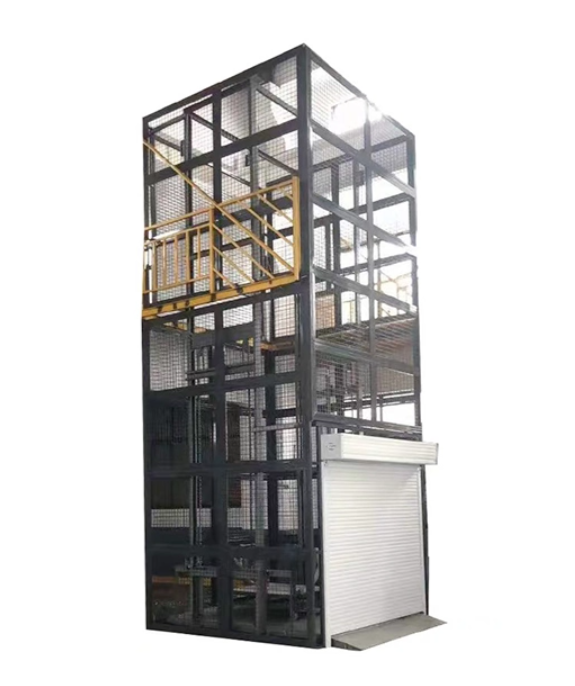
The hydraulic cylinder and piston play a critical role in a hydraulic elevator’s function. The cylinder type, piston diameter, and material, as well as operating pressure, directly affect the elevator’s efficiency and capacity. Properly selecting these components is essential for smooth operation and longevity.
| Item | Description | Technical Specifications | Applications & Considerations |
|---|---|---|---|
| Cylinder Type | Hydraulic elevators use either single or multi-cylinder designs | Single-cylinder design for low-rise buildings, multi-cylinder for higher loads | Single-cylinder is easy to maintain; multi-cylinder is better for higher loads |
| Piston Diameter | The diameter of the piston affects the system's lifting capacity and pressure transfer efficiency | Typically between 100mm to 300mm in diameter | Larger diameters carry heavier loads but take up more space |
| Operating Pressure | Operating pressure is a critical parameter in hydraulic systems | Usually between 15MPa to 30MPa | The system must withstand high pressure for long-term operation |
| Stroke Length | The stroke length of the hydraulic cylinder determines the elevator's maximum lift height | Common stroke lengths range from 5 meters to 30 meters | Longer strokes are needed for high-rise buildings |
| Piston Material | The material of the piston determines its wear resistance and durability | Common materials include steel alloys and aluminum alloys | Choose corrosion-resistant materials for long-term durability |
| Sealing System | The sealing system in the hydraulic cylinder prevents fluid leakage | Rubber or metal seals are commonly used | Regular sealing checks are essential to prevent hydraulic fluid leaks |
The electric pump is the heart of the hydraulic system. It is powered by an electric motor that drives the pump to move hydraulic fluid from the reservoir into the cylinder. The motor's power determines the elevator's ability to lift heavy loads and the speed at which it moves. The pump ensures that the fluid is delivered at the right pressure to allow for smooth and controlled movement of the piston.
The reservoir stores the hydraulic fluid, ensuring there is enough fluid for the system to function properly. The valve system controls the flow of fluid between the cylinder and the reservoir. The valves are electronically controlled and determine when to release or trap fluid, regulating the movement of the elevator. These components are essential for maintaining the fluid pressure and ensuring the elevator moves smoothly and safely.
In-ground hydraulic elevators use a cylinder placed underground, directly beneath the elevator shaft. The piston moves within this cylinder, lifting the elevator car. This system is commonly used in buildings where space allows for underground installation. The in-ground hydraulic system is known for its stability and smooth operation, making it ideal for buildings with a high demand for elevator use. However, it requires deep excavation, which can be expensive and difficult in certain building environments.
Holeless hydraulic elevators do not require deep excavation, as the piston is placed alongside the elevator shaft, typically mounted on the floor. This design eliminates the need for digging and is perfect for buildings with space limitations or where deep excavation is not possible, such as in areas with high water tables or rocky ground. While holeless systems are less efficient for taller buildings, they are ideal for buildings with limited height, offering up to 20-30 feet of travel.
Roped hydraulic elevators combine the piston system with ropes and sheaves, extending the elevator's travel height to about 60 feet. This system allows for greater flexibility, as the ropes help guide the piston and elevator car. Roped hydraulic elevators are typically used in buildings that need to reach higher floors but where traditional traction systems would be too costly or impractical.
Hydraulic elevators are often more affordable and simpler to install than traction systems. They don't require complex overhead machinery and take up less space in the building. The ride is smooth and quiet, making them ideal for residential and commercial applications where comfort is key. Additionally, hydraulic elevators are reliable and require less maintenance than more complex systems, making them a cost-effective long-term solution.
Despite their many advantages, hydraulic elevators have some drawbacks. They are less efficient than traction elevators, especially over long distances. The need for hydraulic fluid can also lead to environmental concerns, as leaks can cause contamination. Moreover, these elevators are slower compared to traction systems and have limited travel height, typically only suitable for buildings up to six stories high.
Hydraulic elevators are particularly well-suited for low to mid-rise buildings, such as residential complexes, small offices, or commercial spaces. Their cost-effectiveness and smooth operation make them a popular choice when space and budget are limited. For taller buildings, however, traction elevators are often preferred due to their higher efficiency and faster speeds.
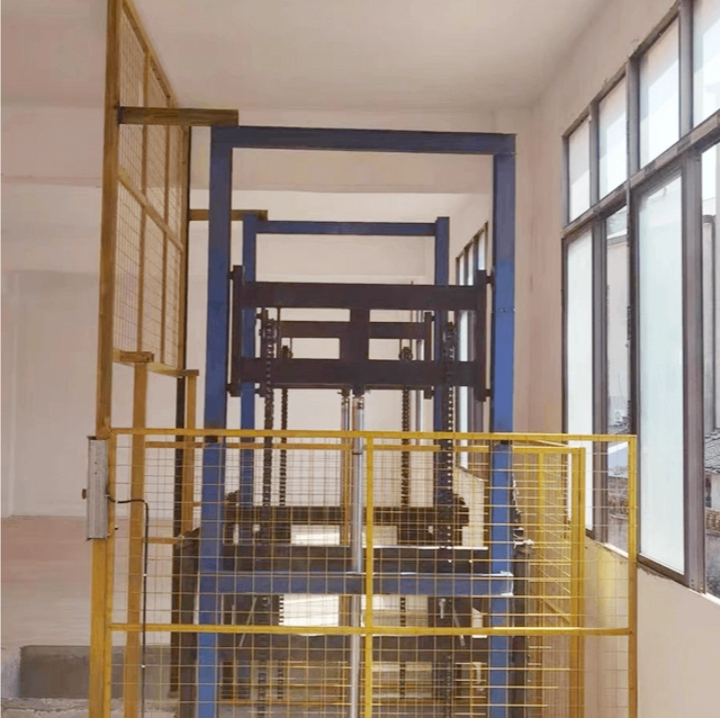
Hydraulic elevators are ideal for low-rise buildings, particularly in residential and small commercial spaces. Their compact design and low maintenance make them well-suited for buildings with limited space or lower height requirements, providing reliable and cost-effective vertical transportation.
| Item | Description | Technical Specifications | Applications & Considerations |
|---|---|---|---|
| Application Type | Hydraulic elevators are mainly used in low-rise buildings, especially residential and small commercial structures | Suitable for buildings up to 5-6 floors with a maximum lift height of 20 meters | Not effective for higher floors, ideal for low-rise buildings |
| Space Requirements | Hydraulic elevators take up less space and are ideal for buildings with limited space | No need for complex machinery rooms; equipment can be integrated within the elevator shaft | Perfect for urban environments where land resources are limited |
| Suitable Buildings | Commonly used in residential homes, shops, and low-rise office buildings | Suitable for high-frequency use and providing reliable service | Requirements for the environment are low, suitable for buildings with height limitations |
| Equipment Requirements | Simple equipment that is easy to install and maintain | Standard hydraulic system configuration, with moderate system complexity | Lower maintenance costs, but regular checks of hydraulic oil and components are necessary |
| Environmental Impact | Hydraulic oil usage has a lower environmental impact | Can use eco-friendly oils like plant-based hydraulic fluids | Regular oil replacement reduces environmental pollution |
| Safety | Hydraulic elevators have a high level of safety, with no free-fall risk | Equipped with safety valves and emergency stop buttons | Must be equipped with emergency stop features and oil leakage prevention systems |
Tip: Hydraulic elevators are an ideal solution for low-rise buildings, especially in projects with limited space and budget. Ensure that the hydraulic system you choose fits the building's height and usage frequency.
Hydraulic elevators are also widely used in industrial and freight applications, where heavy loads need to be moved between floors. These elevators are particularly useful in warehouses, factories, and loading docks, where the ability to lift heavy materials is essential. The smooth, controlled lifting mechanism ensures that the load is moved safely and efficiently.
In healthcare facilities, hydraulic elevators are commonly used to transport patients and medical equipment between floors. Their smooth and quiet operation makes them ideal for hospitals, nursing homes, and other healthcare environments where patient comfort and safety are paramount. The elevators are also essential for providing accessibility in multi-story medical buildings.
Regular maintenance is key to keeping hydraulic elevators functioning optimally. The hydraulic fluid should be inspected regularly to ensure it is at the correct level and that it is not contaminated. Oil changes may be required to maintain the fluid's effectiveness and prevent the system from malfunctioning.
It is essential to regularly test safety features such as emergency stop buttons, backup systems, and safety valves. These systems ensure that the elevator functions safely and can stop in case of an emergency. Regular safety checks prevent accidents and ensure compliance with local elevator safety codes.
To ensure the longevity of the hydraulic elevator, routine maintenance checks should include the inspection of all components, including the pump, motor, and valves. Any signs of wear or damage should be addressed immediately to avoid costly repairs and ensure the elevator remains in good working condition.
Hydraulic elevators provide an efficient and cost-effective solution for low to mid-rise buildings, offering smooth rides and minimal space requirements. These elevators are ideal for residential, commercial, and industrial applications. However, their travel height limitations and slower speeds make them unsuitable for tall buildings. Regular maintenance is vital to keep the system running efficiently. For buildings with space constraints, hydraulic elevators from companies like Nantong Haibao Construction Machinery Co., Ltd. offer great value, combining simplicity and cost-effectiveness for optimal performance.
A: A hydraulic elevator is a type of vertical transportation system powered by fluid pressure. It uses a piston inside a cylinder to lift the elevator car, making it suitable for low to mid-rise buildings.
A: In a hydraulic elevator, hydraulic fluid is pumped into a cylinder, causing the piston to rise and lift the elevator car. The fluid is then released to allow the car to descend, using gravity.
A: Hydraulic elevators offer smooth rides, cost-effective installation, and minimal space requirements. They are ideal for low-rise buildings and can handle heavy loads efficiently.
A: Hydraulic elevators have limited travel height and slower speeds compared to traction elevators. They are also less efficient for taller buildings and can have environmental concerns regarding oil leaks.
A: The cost of a hydraulic elevator varies depending on the building's height, load capacity, and installation complexity. Generally, they are more affordable for low-rise buildings compared to traction elevators.
A: Hydraulic elevators are perfect for residential buildings due to their compact design, low maintenance costs, and reliable performance in buildings with limited space or height.
A: Regular maintenance involves checking the hydraulic fluid, inspecting the valves and pumps, and testing the emergency stop systems to ensure optimal performance and avoid breakdowns.