Views: 0 Author: Site Editor Publish Time: 2026-01-13 Origin: Site


A construction hoist is a game-changer on job sites, especially in high-rise buildings. It efficiently moves people, tools, and materials between floors. In this article, we will discuss the importance of construction hoists in modern construction. You will learn about their key components, types, and safety features.
Construction hoists are a game-changer when it comes to saving time and labor on construction sites. These devices automate the vertical transportation of materials and personnel, replacing time-consuming manual lifting or climbing. By using hoists, workers no longer need to rely on ladders or other slow methods to access different floors. This reduces downtime, allowing construction teams to focus on critical tasks, thus speeding up project timelines. With hoists, materials are quickly and efficiently moved, drastically reducing the amount of time spent on lifting heavy objects.
Safety is a top priority on construction sites, and construction hoists help mitigate many of the risks associated with manual material handling. Hoists are equipped with a range of safety features such as overload protection, emergency stop buttons, and secure transport mechanisms that reduce the risk of injuries. Furthermore, hoists eliminate the need for workers to carry heavy loads up and down ladders, thereby lowering the likelihood of accidents caused by fatigue or improper lifting. For high-rise projects, these machines are essential for transporting materials securely and avoiding dangerous falls from heights.
Using construction hoists can also have a significant impact on project budgets. By decreasing the amount of manual labor required, hoists help reduce labor costs and improve resource allocation. The speed at which hoists transport materials and workers directly influences the overall project timeline, allowing for faster completion. Shorter construction times mean reduced overhead costs, such as site management and equipment rental. Additionally, hoists help optimize material handling processes, cutting down on the potential for damage or wastage, which can further contribute to cost savings.
The following table provides detailed information on the key components of a construction hoist—specifically the mast and tower. It includes application, technical specifications, installation considerations, and precautions to ensure correct selection and proper installation.
| Component | Application | Technical Specifications | Installation Considerations | Precautions |
|---|---|---|---|---|
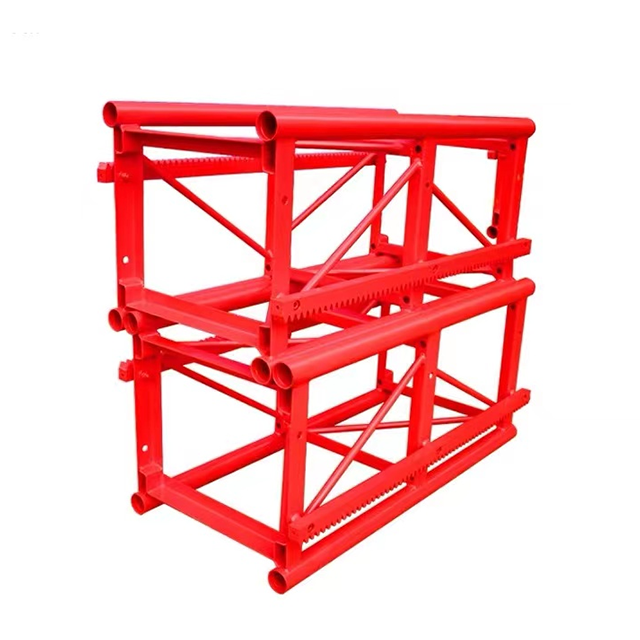
| Mast | Supports the entire hoist system and ensures vertical stability. | Material: High-strength steel. Modular design for adjustable height. | Must be securely anchored to the foundation. | Ensure the mast is aligned vertically during installation. |
| Tower | Guides the hoist cage vertically and supports it during lifting operations. | Height: Customizable depending on building height. | Use interlocking sections for easy installation and removal. | Inspect for wear and tear regularly to maintain stability. |
| Base Enclosure | Provides stability and houses the hoist drive system. | Material: Steel or reinforced composites. | Should be firmly anchored to the foundation. | Regularly check for corrosion or damage. |
| Guide Rail Bracket | Guides the cage during vertical travel. | Adjustable length for height flexibility. | Secure mounting to ensure safe travel of the hoist cage. | Check alignment regularly for smooth operation. |
Tip:Ensure the mast and tower sections are properly aligned during installation to avoid uneven lifting and potential mechanical failures.
The hoist cage, also known as the platform, is the enclosed area where materials and personnel are carried. It is typically mounted on a lifting system that connects it to the hoist's motorized components. The platform must be sturdy and spacious enough to accommodate both workers and materials, with safety barriers or gates that prevent accidents during loading or unloading. Some hoists feature platforms that can transport either people, materials, or both, depending on the project’s needs.
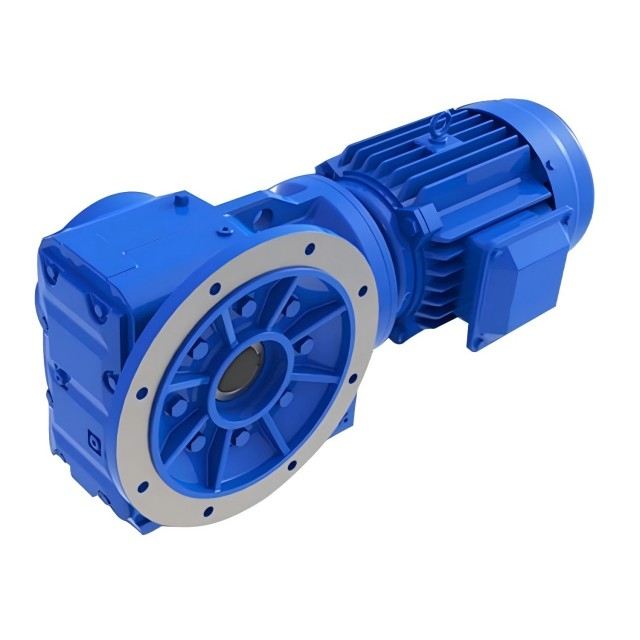
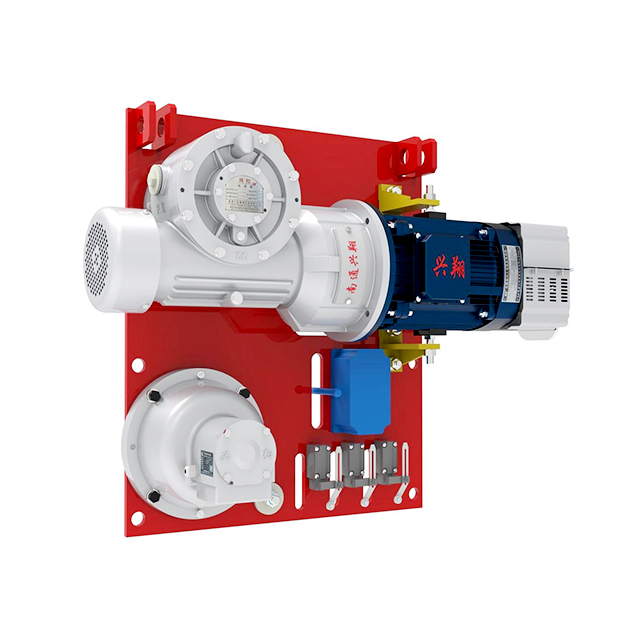
The motor powers the hoist, driving the lifting mechanism that moves the platform or cage up and down. Most construction hoists are powered by either electric motors or diesel engines, with each option offering its own advantages depending on the site’s power infrastructure. The drive system is responsible for ensuring the smooth and safe operation of the hoist, and is typically coupled with gearboxes that control speed and direction. The reliability of the motor and drive system is critical for maintaining safety and efficiency throughout the project.
Passenger and material hoists are versatile systems capable of transporting both workers and construction materials. These dual-purpose hoists are commonly used in large-scale construction projects where both people and materials need to be moved rapidly between floors. These hoists are equipped with advanced safety features like emergency stop buttons, security gates, and comfortable riding facilities for workers. They are typically used on high-rise buildings to ensure efficient vertical transport across multiple floors.
Material-only hoists are designed specifically to lift construction materials, such as bricks, steel beams, and machinery. Unlike passenger hoists, these hoists have larger platforms or cages with greater load capacity to accommodate bulky materials. Material hoists are an ideal choice when workers are primarily accessing the site via stairs, and when the focus is on quickly and efficiently transporting heavy items to different levels. These hoists are generally less expensive and simpler to operate, making them a cost-effective solution for projects that do not require personnel transport.
Rack and pinion hoists are highly popular in the construction industry due to their smooth and reliable operation. This system utilizes a motor-driven pinion gear that moves along a fixed rack, offering better stability and precision than traditional wire rope hoists. Rack and pinion hoists are often used on taller buildings or in situations where precise control is necessary. Their modular design allows them to adapt as the building height increases, making them suitable for large-scale, multi-story construction projects.
The following table summarizes the emergency brake and stop mechanisms of construction hoists, detailing safety features, technical parameters, installation details, and precautions. It is designed to help operators understand how to ensure safety during emergencies.
| Feature | Function | Technical Specifications | Installation Considerations | Precautions |
|---|---|---|---|---|
| Emergency Brakes | Stops the hoist in the event of power failure or overload. | Type: Electromagnetic or mechanical brakes. | Ensure brakes are accessible for easy maintenance. | Test brakes before each use to ensure reliability. |
| Overspeed Governors | Stops the hoist if it descends too quickly. | Speed control range: Adjustable to project requirements. | Install at both the top and bottom of the mast. | Perform regular testing to ensure correct speed regulation. |
| Emergency Stop Buttons | Allows immediate halting of the hoist during emergencies. | Location: On the control panel and hoist platform. | Install at accessible locations for operators. | Ensure that the emergency stop button is clearly marked and functional. |
| Load Limiters | Prevents the hoist from lifting loads exceeding capacity. | Capacity: Adjustable to hoist's maximum weight limit. | Mount near the hoist’s control system. | Inspect load limiters regularly to ensure they function correctly. |
Tip:Always ensure that the emergency stop mechanisms are in working order and accessible to operators at all times to minimize the risk of accidents.
Overload sensors play an essential role in maintaining hoist safety by detecting when the load exceeds its designated weight capacity. These sensors prevent the hoist from operating if the load is too heavy, protecting the equipment from damage and ensuring workers' safety. Limit switches, located at the top and bottom of the hoist's travel path, automatically stop the hoist from traveling beyond its designated limits, preventing mechanical failures and accidents.
To ensure the safety of both personnel and materials, hoists are equipped with protective barriers and interlock systems. These safety features prevent the cage doors from opening while the hoist is in motion and ensure that the hoist will not operate unless the safety gates are securely closed. Interlocks help reduce the risk of falls or injuries during loading and unloading operations, providing an extra layer of security.
When selecting a construction hoist, it's crucial to consider both load capacity and lifting speed. The hoist must be able to handle the weight of the materials and personnel being lifted, without exceeding the manufacturer’s specified limits. Lifting speed is another important factor, especially for large construction projects where high-speed transportation of materials can significantly improve workflow. However, lifting speeds must be controlled to ensure stability and minimize the risk of accidents.
The condition and layout of the construction site are key factors in determining the type of hoist needed. For example, a site with limited space or challenging access may require a compact hoist or one with specific placement considerations. It is also essential to ensure that the hoist is placed in a location that allows for easy loading and unloading while keeping workers clear of moving parts.
For short-term projects, renting a construction hoist may be a more practical solution, as it eliminates the need for long-term storage and maintenance. On the other hand, if a project is long-term or if hoists will be used frequently across multiple projects, purchasing a hoist may offer better long-term cost savings. Deciding between renting and purchasing will depend on the project's duration, hoist frequency, and budget.
Before installing a construction hoist, it's essential to ensure the site is prepared for the installation process. This includes conducting soil tests to assess the foundation's load-bearing capacity and ensuring the area is clear of debris that could obstruct installation. The foundation should be level and stable to provide support for the hoist.
Once the site is ready, the hoist assembly begins. This involves connecting the mast sections, attaching the hoist cage, and ensuring that all safety devices are in place. The assembly process should be completed by trained personnel to ensure the hoist is safely installed and functioning properly.
Before the hoist is put into operation, it must undergo a series of tests to ensure all components are functioning correctly. This includes testing the hoist's lifting capacity, emergency stop functions, and safety mechanisms. A thorough inspection helps ensure the hoist operates smoothly and meets safety regulations.
The future of construction hoists lies in the integration of smart technology, which allows for real-time monitoring and data collection. With advancements in automation, hoists can now perform precise lifts, optimize load management, and detect potential issues before they escalate. These innovations improve hoist performance and reduce downtime.
As sustainability becomes increasingly important in construction, manufacturers are developing hoists that are energy-efficient and eco-friendly. Features like regenerative braking and energy-saving motors help reduce the environmental impact of hoists. These innovations contribute to the industry's push for greener construction practices.
New safety technologies, including automatic load weight sensors and emergency response systems, are being incorporated into construction hoists. These features improve the overall safety of construction sites, minimizing risks to workers and ensuring safer vertical transportation for both personnel and materials.
Construction hoists are essential tools that enhance efficiency, safety, and cost-effectiveness on construction sites. They help in quickly transporting materials and personnel, reducing labor costs and increasing productivity. By understanding the key components and types, professionals can choose the right hoist for their project. Innovations in smart technology and eco-friendly solutions will continue to shape the future of hoisting systems. Companies like Nantong Haibao Construction Machinery Co., Ltd. offer hoists that provide reliable performance, improving project timelines and operational safety.
A: A construction hoist is a vertical transportation system used to move materials and personnel between different levels of a construction site. It's essential for high-rise projects to improve efficiency and safety.
A: A construction hoist works by using a motorized platform or cage that moves vertically along a mast or tower. It helps transport workers and materials quickly and safely to different floors.
A: Construction hoists are important because they reduce manual labor, speed up work processes, enhance safety, and decrease overall costs. They are essential for high-rise building projects.
A: The cost of a construction hoist depends on factors like load capacity, type, and duration of use. Generally, hoists are rented for short-term projects, while purchasing may be cost-effective for long-term use.
A: There are several types of construction hoists, including passenger and material hoists, material-only hoists, and rack and pinion hoists. Each type suits different project needs based on capacity and purpose.
A: To choose the right construction hoist, consider factors like load capacity, lifting speed, site conditions, and the type of materials you plan to transport. It's crucial to select a hoist that matches your specific project requirements.