Views: 0 Author: Site Editor Publish Time: 2026-01-22 Origin: Site


Elevators are a vital part of modern buildings, offering vertical transport for both people and goods. Among the most common types, traction and Hydraulic Elevator systems each have distinct advantages. In this article, we will explore the key differences between traction and Hydraulic Elevator systems. You'll learn about factors like speed, energy efficiency, space, and cost to help you choose the best system for your building's needs.
Here’s a detailed breakdown of the key components of traction elevators, covering their application, technical specifications, maintenance considerations, and operational guidelines to help you understand the system and ensure its effective performance.
| Component | Application | Technical Specifications | Considerations | Operational Guidelines |
|---|---|---|---|---|
| Motor | Drives the system, providing power to move the ropes. | Power typically ranges from 5 to 75 kW, depending on load and building height. | Ensure the motor is correctly sized to avoid overloading. | Regularly check lubrication to prevent wear or overheating. |
| Ropes & Pulley System | Transmits power from the motor to raise and lower the elevator car. | Rope diameter typically ranges from 6-10 mm, with a maximum load capacity of up to 10 tons. | Inspect ropes for wear and replace them according to usage frequency. | Maintain proper tension to ensure smooth operation and avoid wear. |
| Counterweight System | Balances the weight of the elevator car and passengers, reducing motor load and improving efficiency. | Typically balances 50%-60% of the elevator's weight. | Imbalance can cause instability; adjustments may be necessary. | Check the counterweight regularly to ensure it is securely fixed and balanced. |
| Sheave | The point where the ropes are supported, facilitating smooth motion. | Sheave size and load capacity must match the elevator's weight and height specifications. | Worn sheaves can cause uneven rope movement, leading to instability. | Clean and lubricate the sheave regularly to prevent vibration and wear. |
| Control System | Manages the elevator's start, stop, speed control, and safety features. | Must meet safety standards, including fault alarms, overspeed protection, etc. | A malfunction can cause operation failure; regular maintenance is required. | Inspect the control panel and buttons periodically to ensure responsiveness and prevent malfunctions. |
Tip: To ensure long-term efficiency, regular inspection and maintenance of traction elevator components, especially the motor, ropes, and counterweights, are crucial.
One of the main advantages of traction elevators is their ability to travel at high speeds. They are suitable for mid-rise to high-rise buildings, offering speeds up to 2,000 feet per minute (fpm), which allows for faster vertical transportation. These elevators are also highly energy-efficient, especially gearless traction models, which use regenerative braking to recover energy during operation. This reduces power consumption and increases overall efficiency.
Traction elevators are primarily used in buildings of more than 60 feet, such as skyscrapers, office buildings, and commercial spaces. Their ability to travel long distances quickly makes them ideal for locations with heavy traffic, where efficient movement of passengers is essential. They are also favored in buildings where smooth rides and energy efficiency are top priorities.
The following table outlines the key components of a hydraulic elevator system, detailing the function, technical requirements, maintenance considerations, and operational guidelines for each part, providing a comprehensive understanding of how the system works.
| Component | Function and Application | Technical Requirements | Considerations | Operational Guidelines |
|---|---|---|---|---|
| Hydraulic Fluid | Transfers pressure to move the piston and lift the elevator car. | Hydraulic fluid must meet environmental standards, typically petroleum-based or biodegradable. | Regularly check fluid quality to avoid contamination affecting elevator performance. | Change hydraulic fluid annually to prevent aging and maintain system efficiency. |
| Piston | Moves up and down, driving the elevator car’s motion. | Piston size and load capacity should match the elevator's weight and height requirements. | Piston wear can affect stability, requiring regular inspections. | Periodically check the piston seal and keep it lubricated to avoid malfunction. |
| Cylinder | Holds the hydraulic fluid and guides the piston’s movement. | Cylinder diameter and length must be selected based on elevator travel height. | Blockages in the cylinder can hinder fluid flow, requiring cleaning and maintenance. | Regularly inspect the cylinder’s interior for cracks or debris to ensure smooth operation. |
| Hydraulic Pump | Driven by an electric motor, pumps hydraulic fluid to the cylinder to raise the piston. | Pump power should match the elevator load, commonly with pressure ranges from 1500-3000 PSI. | Pump wear can reduce performance, requiring maintenance or replacement. | Regularly check the pump’s operational condition, ensuring no leaks or abnormal noises. |
Tip: Regular maintenance of hydraulic fluid and the piston system is crucial to ensure smooth operation and prolong the elevator's lifespan.
Hydraulic elevators are typically slower than traction elevators, with speeds averaging between 150-200 fpm. They are better suited for low-rise buildings, typically those with up to 5 or 6 floors. However, hydraulic elevators excel in carrying heavy loads, making them ideal for freight elevators or buildings that require substantial weight capacity. Despite their slower speeds, hydraulic elevators offer a smooth and stable ride, especially in low-rise applications.
Hydraulic elevators are most commonly used in low-rise buildings, such as residential homes, small commercial buildings, or as freight elevators. They are ideal for buildings where speed is not as critical and where the elevator needs to carry heavy loads. Due to their simpler design, hydraulic elevators are also frequently used in retrofit applications, particularly when space is limited.
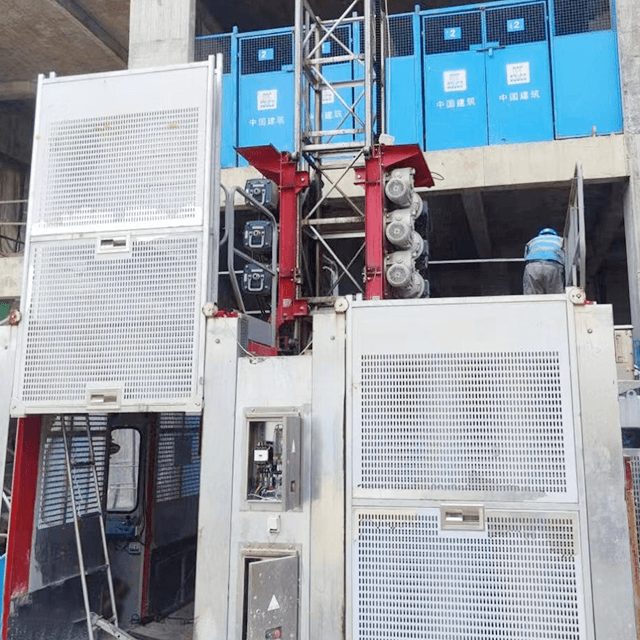
The primary difference between traction and hydraulic elevators lies in their mechanisms. Traction elevators rely on a system of cables, pulleys, and counterweights to move the elevator, whereas hydraulic elevators use hydraulic fluid to power a piston system that lifts and lowers the cab. This makes hydraulic elevators more straightforward and less complex, while traction elevators offer greater speed and efficiency due to their advanced pulley and counterweight system.
Traction elevators are significantly faster than hydraulic elevators. They can reach speeds up to 2,000 fpm, which is crucial for high-rise buildings with many floors. In contrast, hydraulic elevators have a speed limit of around 150-200 fpm, making them better suited for low-rise buildings. The speed of traction elevators allows them to efficiently transport large volumes of passengers in a short amount of time, whereas hydraulic elevators are slower but more effective in moving heavy loads.
Traction elevators are more energy-efficient, especially with gearless systems that use regenerative braking to convert kinetic energy into electrical energy. This reduces energy consumption and operational costs. Hydraulic elevators, while energy-efficient during the descent (as they use little to no power), require more energy to lift the cab, especially over longer distances. Moreover, hydraulic systems historically use petroleum-based fluids, which pose environmental concerns due to potential leaks. However, newer biodegradable fluids are helping mitigate these issues.
Traction elevators are known for their smooth ride quality and ability to reach high speeds. They are suitable for tall buildings and heavy traffic, offering energy efficiency and lower operational costs in the long run. The counterweight system reduces energy consumption by balancing the weight of the cab and passengers. These elevators are highly versatile, able to serve buildings of all heights, and can handle larger passenger volumes.
Traction elevators tend to be more expensive to install and maintain due to their complex mechanical systems and the need for a machine room. They also require more space for installation, including a larger pit and overhead space, which can be a limiting factor in some building designs. Additionally, the motor and counterweights may produce noise and vibrations, especially in older systems.
Traction elevators are ideal for commercial buildings, residential skyscrapers, and any other structures requiring high-speed, high-capacity transportation. Their ability to travel great distances and operate efficiently makes them the preferred choice for buildings taller than 60 feet.
Hydraulic elevators are more affordable to install and maintain than traction elevators. They have fewer moving parts, making them simpler and more cost-effective. Hydraulic systems are excellent at carrying heavy loads, which makes them perfect for freight applications. They also require less space for installation compared to traction elevators, especially in retrofit projects.
Hydraulic elevators are slower than traction elevators, with a maximum speed of 150-200 fpm. They are typically limited to low-rise buildings due to their lower speed and energy consumption. Hydraulic systems also require more energy to lift the elevator cab over longer distances. Additionally, oil-based hydraulic fluids can cause environmental concerns, although newer, biodegradable fluids are improving the system's eco-friendliness.
Hydraulic elevators are best suited for low-rise buildings, residential homes, and small commercial establishments. They are also ideal for situations where the elevator needs to carry heavy loads, such as freight or industrial applications.
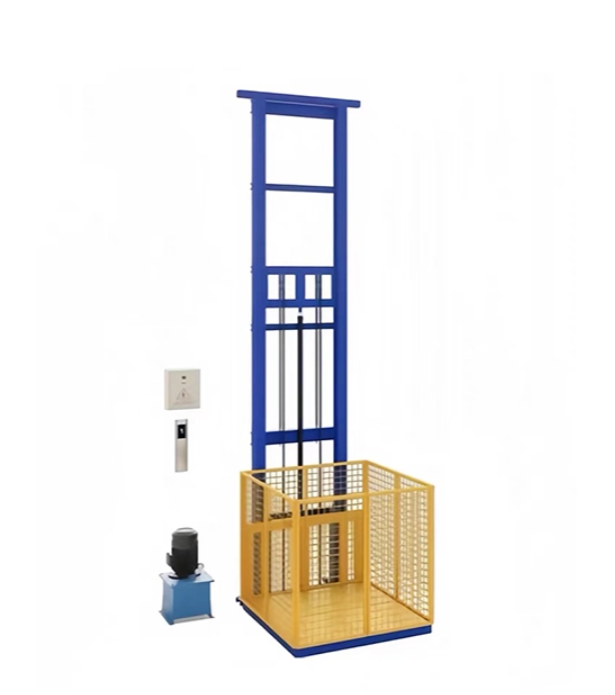
Traction elevators generally require a machine room to house the motor, drive system, and electrical controls. This requires more overhead and pit space. However, modern advancements like machine-room-less (MRL) traction elevators have reduced space requirements, making them more suitable for buildings with limited space. MRL systems integrate the equipment into the hoistway, eliminating the need for a separate machine room.
Hydraulic elevators are more space-efficient, as they do not require a machine room in hole-less versions. These systems can be installed directly into the elevator shaft, making them ideal for retrofit projects. They are also suitable for buildings with limited overhead space, such as residential homes or low-rise commercial buildings.
Traction elevators are more expensive to install due to the complexity of the system and the need for a machine room. However, they offer lower long-term operational costs due to their energy efficiency and lower maintenance needs. The use of regenerative braking and advanced technologies also contributes to their overall cost-effectiveness.
Hydraulic elevators have lower initial installation costs, making them a cost-effective choice for buildings with fewer floors. Their simpler design reduces installation time, but they may incur higher maintenance costs over time due to the need to replace hydraulic fluids and maintain the piston system. Additionally, the environmental impact of oil-based hydraulic fluids can increase long-term operational costs.
When choosing between a Hydraulic Elevator and a traction elevator, consider building height, speed, space, and budget. Hydraulic Elevators are ideal for low-rise buildings with slower speeds and heavy load needs. On the other hand, traction elevators excel in high-rise buildings, offering higher speeds and energy efficiency. Both systems offer unique advantages. For high-speed, high-capacity needs, traction elevators are the best fit, while for low-rise and freight applications, Hydraulic Elevators provide an efficient, cost-effective option. Nantong Haibao Construction Machinery Co., Ltd. offers high-quality Hydraulic Elevators designed for space efficiency and robust performance, providing exceptional value in commercial and residential settings.
A: A Hydraulic Elevator operates using a piston system, where hydraulic fluid lifts the elevator car. It is simpler than traction systems and is suitable for low-rise buildings.
A: Hydraulic Elevators work by using hydraulic fluid to move a piston, which lifts or lowers the elevator cab. This system does not use cables or pulleys like traction elevators.
A: Hydraulic Elevators are ideal for low-rise buildings and heavy load applications. They offer simpler installation and maintenance compared to traction systems.
A: Hydraulic Elevators are cost-effective, require less space, and are easier to install. They are also excellent for carrying heavy loads in low-rise buildings.
A: Hydraulic Elevators typically have a speed range of 150-200 feet per minute (fpm), making them suitable for low-rise buildings with moderate traffic.
A: The installation cost of a Hydraulic Elevator is typically lower than traction elevators, especially in low-rise applications. However, ongoing maintenance costs may be higher due to fluid changes.
A: Hydraulic Elevators are not ideal for high-rise buildings due to speed limitations. Traction elevators are preferred for taller buildings due to their faster speeds and efficiency.
A: Key components of Hydraulic Elevators include the hydraulic fluid, piston, cylinder, and pump, which work together to move the elevator cab up and down.